
Last updated September 24, 2026
Free in-home measure and quote - PGT, CGI and CWS impact lines compared on your actual openings, style by style
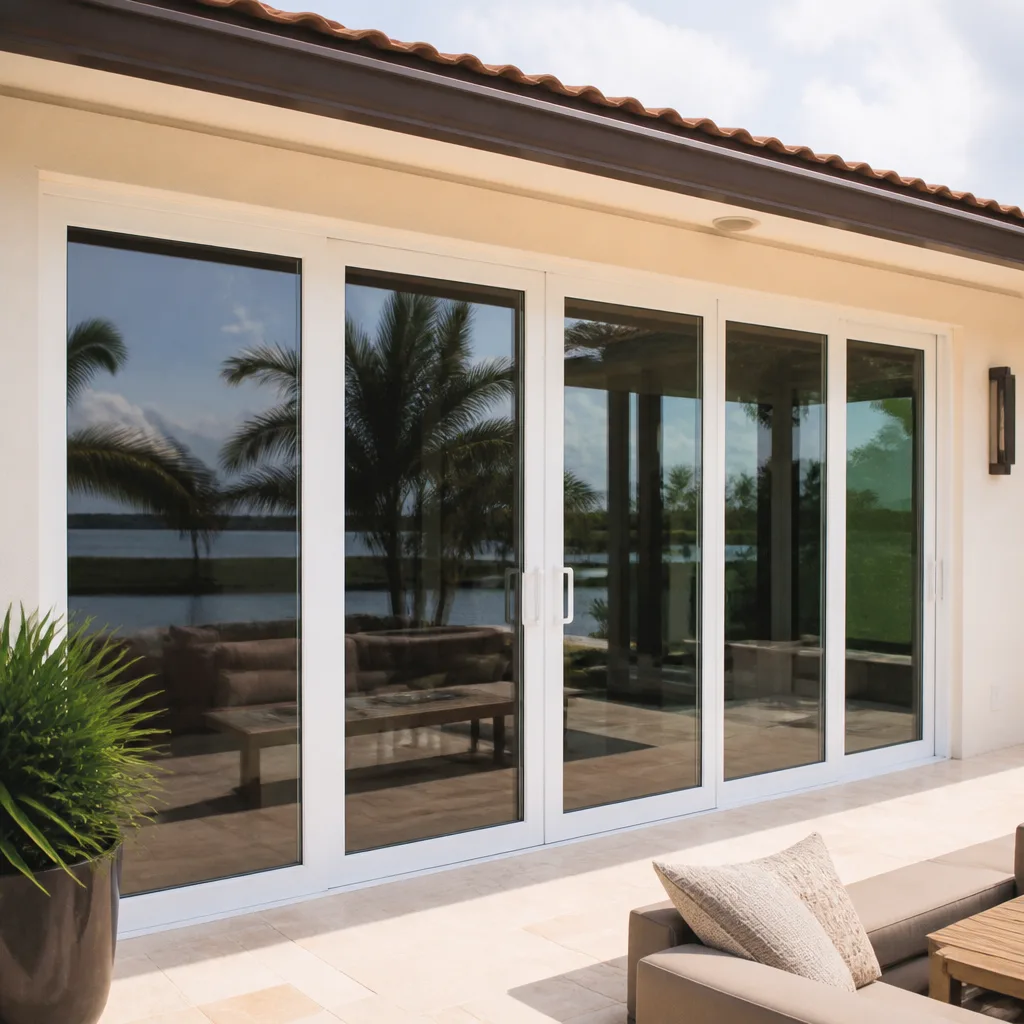

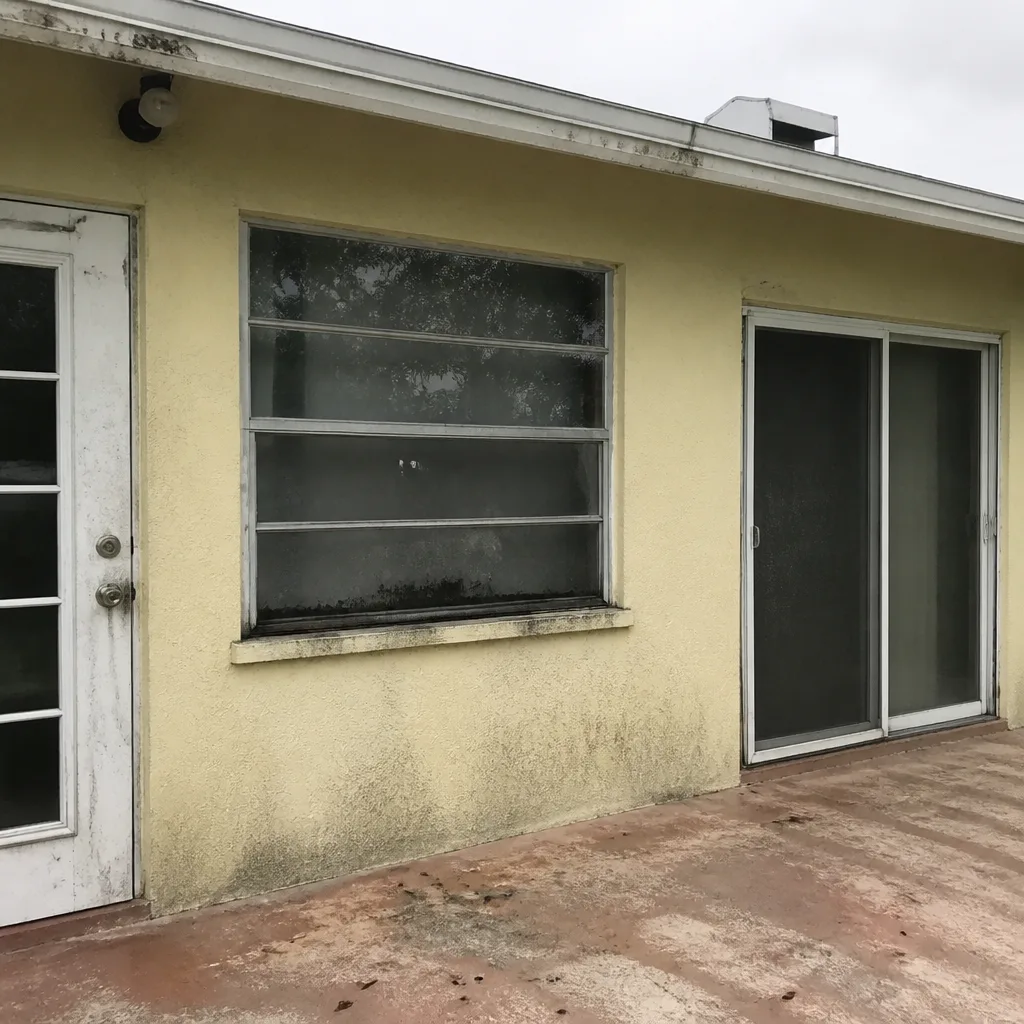 Before
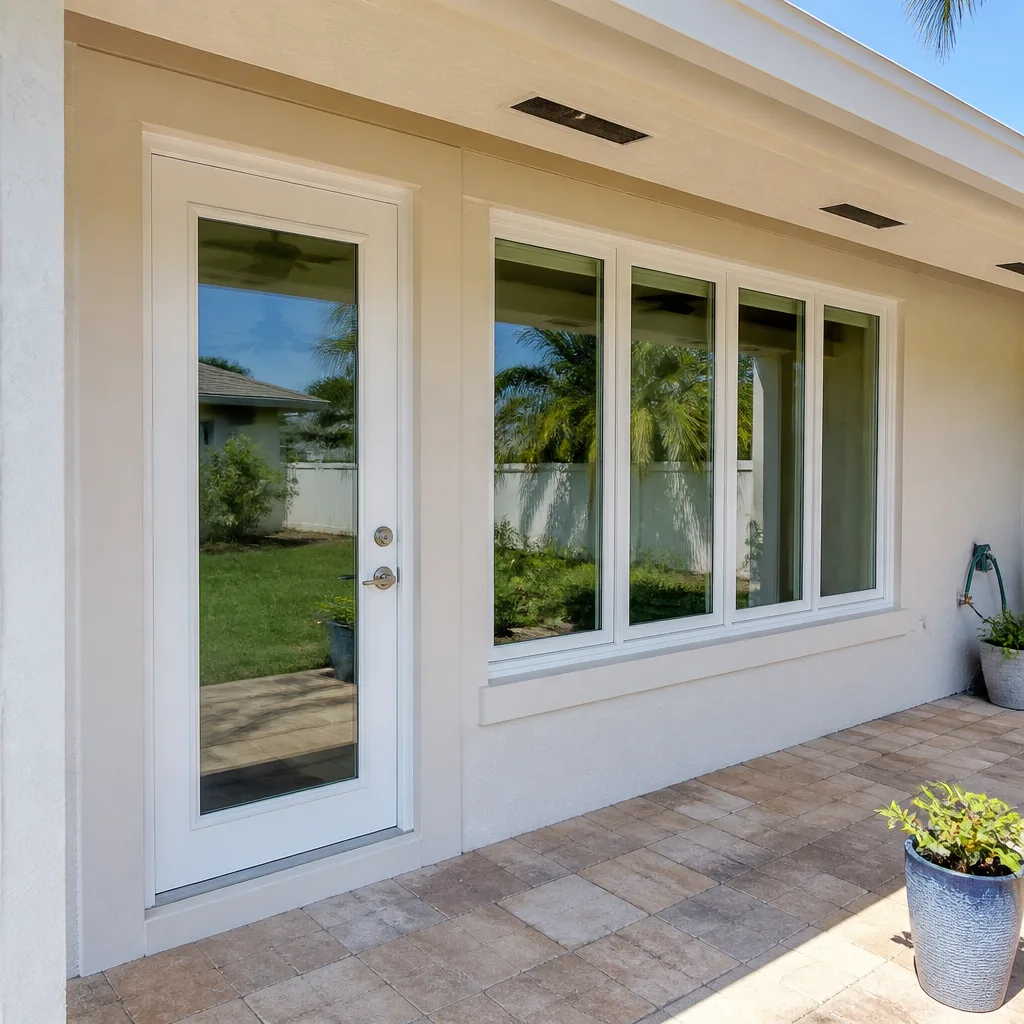 After
After Before
 After
After Before
 After
AfterWindows & Doors Permits, Codes & Inspections in FL: What You Need to Know
Replacing a window without a permit in Florida City is not just a code violation - it is a recorded encumbrance that appears on title searches and can delay or kill a home sale years after the work is done. In 2023, Miami-Dade County recorded over 4,000 code enforcement cases related to unpermitted residential alterations, a significant portion involving window and door replacements that homeowners assumed were “like-for-like” and therefore exempt. This guide - alongside our Complete Guide to Windows & Doors in Florida City - maps the two parallel tracks that govern every window and door project here: the statewide Florida Building Code and Miami-Dade County’s amendments, which are among the most stringent in the state. You will learn exactly when a permit is required, what inspectors check, how to verify your products are approved for local use, and what unpermitted work can cost you in insurance coverage and resale value.
Quick Answer
Most window and door replacements in Florida City require a building permit from Miami-Dade County, plus a Notice of Commencement for projects exceeding $5,000. For warning signs that your windows or doors may need replacement, see our Windows & Doors Warning Signs: A Florida City Homeowner’s Reference Guide. The work must use products with current Miami-Dade product control approval, pass rough-in and final inspections, and comply with the High-Velocity Hurricane Zone provisions of the Florida Building Code. Permit fees typically run $200-$600 for standard residential replacements, with timeline from application to final sign-off averaging 2-4 weeks when documentation is complete.
Table of Contents

- Building Permit vs. Notice of Commencement: What Florida City Homeowners Actually Need
- Miami-Dade Product Control: How to Verify Your Windows and Doors Are Legal to Install
- The Florida Building Code and High-Velocity Hurricane Zone Requirements
- What Inspectors Check at Rough-In and Final Inspection
- Permit Fees and Timeline in Miami-Dade County
- How Unpermitted Work Affects Your Homeowner’s Insurance
- Common Mistakes to Avoid
- When to Call a Professional
- Frequently Asked Questions
 Before
 After
AfterBuilding Permit vs. Notice of Commencement: What Florida City Homeowners Actually Need
Florida City homeowners face a dual documentation requirement that confuses many first-time renovators. The building permit and the Notice of Commencement serve different legal purposes, and understanding which applies to your project prevents costly delays.
When You Need a Building Permit
A building permit is required for any window or door replacement that involves:
- Changing the size or location of an existing opening
- Replacing a non-impact-rated unit with an impact-rated unit (or vice versa)
- Installing new windows or doors where none existed previously
- Any work in a High-Velocity Hurricane Zone, which includes all of Florida City and Miami-Dade County
Miami-Dade County does recognize a limited “like-for-like” exemption: replacing a window or door with an identical unit of the same dimensions, same rating, and same installation method, where no structural modifications occur. In practice, this exemption is narrow. If your existing windows were installed before 2002, they likely do not meet current HVHZ standards, and the replacement cannot legally be “like-for-like” under today’s code. We have measured homes in the Window Replacement in Florida City service area where homeowners believed their 1998 installations qualified for exemption, only to learn the product approval had expired and the units lacked the required impact rating for their exposure category.
When You Need a Notice of Commencement
Florida Statute 713 requires a Notice of Commencement for any construction project where the total contract price exceeds $5,000. This is not a permit; it is a legal notice filed with the county clerk that establishes the official start date of the project and protects all parties’ lien rights. For a typical whole-home window replacement in Florida City, you will need both documents: the building permit from Miami-Dade’s Building Department and the Notice of Commencement filed with the Clerk of Courts.
The Notice of Commencement must contain:
- The property owner’s legal name and address
- The property description (legal description or street address)
- The contractor’s name and address
- A general description of the work
- The estimated total cost
- The expected completion date
Failure to file a required Notice of Commencement exposes the homeowner to double payment liability if a subcontractor files a lien. We have reviewed competitor estimates where this requirement was not mentioned, leaving the customer legally exposed. At Sightline, the written scope we provide identifies whether your project triggers this requirement and includes the filing in our documented process.
The Intersection: Where Both Tracks Meet
For a standard 10-window replacement in Florida City costing $8,000-$15,000, you will file the Notice of Commencement first, then apply for the building permit using the NOC document number as reference. The permit cannot be issued until the NOC is recorded. This sequential requirement adds 2-3 business days to the front of the timeline if not managed correctly.
Miami-Dade Product Control: How to Verify Your Windows and Doors Are Legal to Install
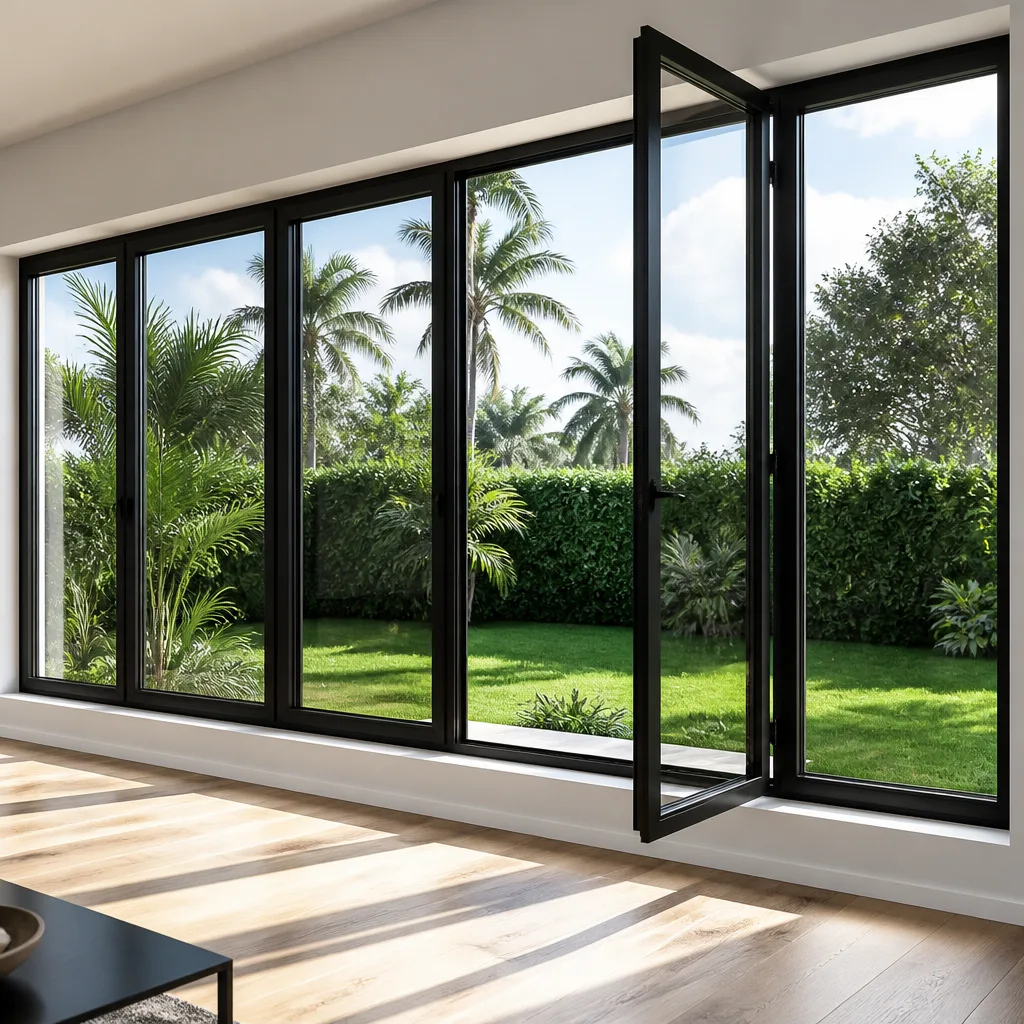
Miami-Dade County maintains its own product control division, separate from the statewide Florida Product Approval system. A window that carries Florida Product Approval may still lack Miami-Dade approval, and installing it in Florida City is a code violation that will fail inspection.
The Two Approval Systems
Florida’s statewide system, administered by the Florida Building Commission, issues product approvals valid throughout the state. Miami-Dade’s product control division issues NOAs (Notices of Acceptance) that are specific to the county. Because Miami-Dade’s wind-borne debris requirements exceed the statewide minimum, many manufacturers seek both approvals, but some do not. The county’s HVHZ standards require products to pass large missile impact tests at specific pressures, then survive cyclic wind pressure loading.
How to Look Up Product Approval
To verify a specific window or door for use in Florida City:
- Navigate to the Miami-Dade Product Control Database at the county’s official portal
- Search by manufacturer name, product model, or existing NOA number
- Confirm the NOA status reads “Active” - expired NOAs are common and invalidate the installation
- Check the NOA’s scope: some approvals cover only specific sizes, configurations, or installation methods
- Verify the product’s exposure category matches your home’s location; Florida City’s exposure varies by proximity to open water and structure height
We specify products from CWS, ES Windows, and ECO Window Systems on Florida City projects because each maintains current Miami-Dade NOAs with broad size ranges and multiple installation configurations. When we prepare a written quote, the specific product model and its NOA number are listed; the customer can verify this independently before work begins.
What Happens With Unapproved Products
An inspector who finds an unapproved product at rough-in will issue a correction notice and require removal. The homeowner bears the cost of removal, disposal, and replacement, plus permit extension fees. In our experience, this scenario arises most often when homeowners purchase materials independently from out-of-state suppliers or when contractors substitute products without updating the permit documentation. Haven Clause 1 - Have it in writing - prevents this: the product specified in our quote is the product installed, with no substitutions without written change order.
The Florida Building Code and High-Velocity Hurricane Zone Requirements
Florida City sits entirely within the High-Velocity Hurricane Zone, defined in the Florida Building Code as areas where the design wind speed equals or exceeds 170 mph. This classification triggers specific requirements for windows and doors that do not apply in most other U.S. markets.
Wind-Borne Debris Protection
Florida Building Code Section 1609 requires all exterior glazing in HVHZ areas to be impact-resistant or protected by an impact-resistant covering. This means:
- All exterior windows must be impact-rated or have approved shutters
- All exterior doors, including garage doors, must be impact-rated or protected
- Screens, film, and aftermarket “impact-resistant” coatings do not satisfy the code
- The product must bear a permanent label identifying the manufacturer, model, and approval number
The label must remain visible after installation. Inspectors in Florida City check this specifically; a label painted over or removed during finishing will fail final inspection.
Pressure Ratings and Exposure Category
Impact resistance alone is insufficient. The product must also be rated for the design pressure appropriate to its location on the building and the building’s exposure category. A window facing Biscayne Bay on a two-story home in Florida City faces higher design pressures than the same window on the leeward side of a single-story home inland. The permit application requires calculation of these pressures, typically performed by the contractor or a design professional.
We have measured homes in the Lakeview neighborhood where the front elevation’s exposure to southeasterly winds required DP-60 ratings while the rear elevation qualified for DP-50. Using a single rating for the entire project would have been non-compliant and would have failed inspection. Our measured survey documents each opening’s exposure and specifies the appropriate rating.
Energy Code Compliance
The Florida Building Code’s energy conservation chapter (Chapter 13) mandates maximum U-factors and Solar Heat Gain Coefficients for fenestration. For Florida City, located in Climate Zone 1, the requirements are:
- Maximum U-factor: 0.40 for replacement windows
- Maximum SHGC: 0.25 for replacement windows
These values are printed on the NFRC label affixed to each window. The inspector verifies label presence and compliance at final inspection. Products from Mr-Glass and other manufacturers we specify carry NFRC certification with values that meet or exceed these thresholds.
What Inspectors Check at Rough-In and Final Inspection
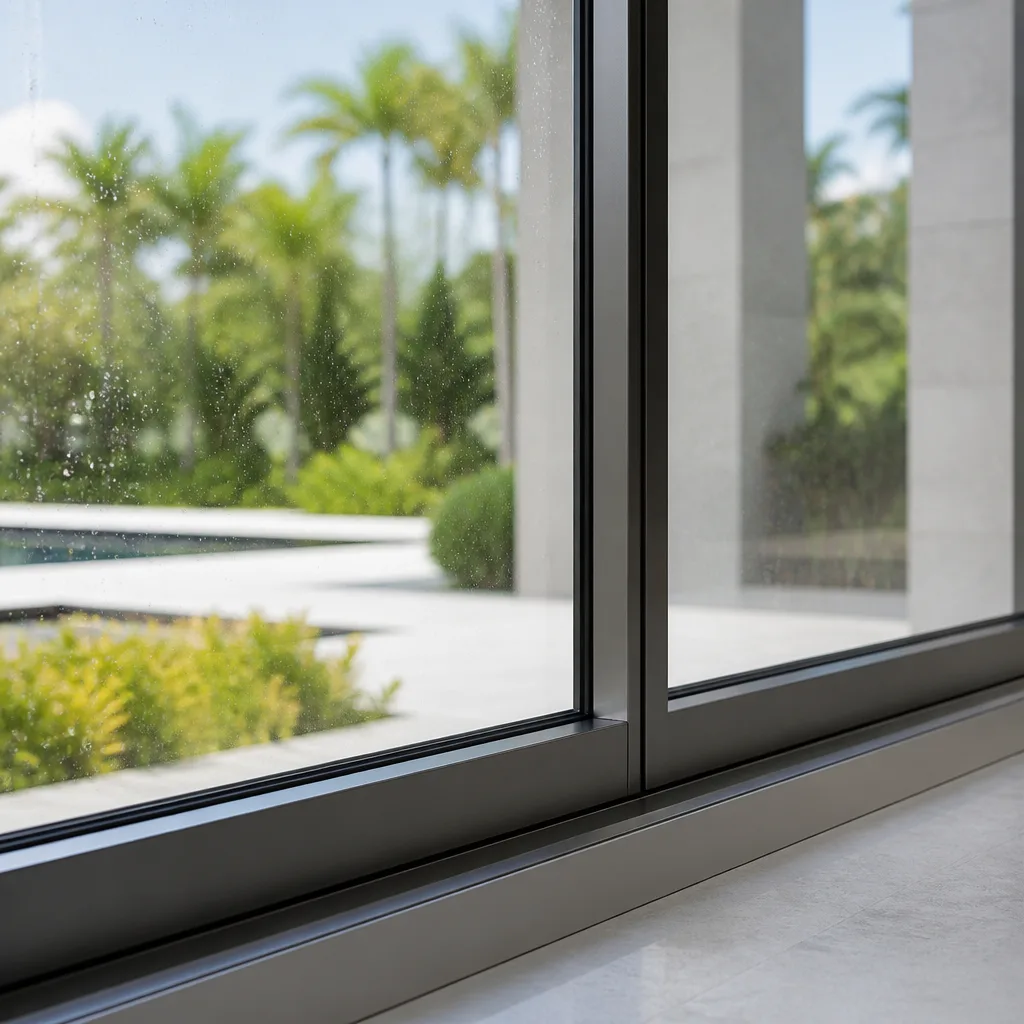
Miami-Dade County requires two inspections for most window and door replacements: rough-in and final. Understanding what each inspection covers helps homeowners prepare and reduces callback rates.
Rough-In Inspection
The rough-in inspection occurs after old units are removed and new openings are prepared, but before new windows or doors are installed. The inspector verifies:
- Opening dimensions match the permitted plans
- Structural integrity of the surrounding frame; no rotted or compromised members
- Proper flashing integration with the weather-resistant barrier
- Anchor and fastening schedule matches the product’s NOA requirements
- Shims and support blocking are in place per manufacturer’s instructions
In Florida City’s humid subtropical climate, moisture damage to surrounding framing is common, particularly in homes built between 1950 and 1990 with original windows. We have documented cases in the downtown Florida City area where rough-in inspection revealed concealed termite damage requiring structural repair before window installation could proceed. Our photo record captures this condition and the remediation, providing the homeowner with evidence for insurance or disclosure purposes.
Final Inspection
The final inspection occurs after installation is complete and all finishes are applied. The inspector verifies:
- Installed products match the manufacturer and model on the permit
- Impact rating labels are present and legible
- NFRC energy labels are present and values comply
- Installation matches the NOA details for fastening, shimming, and sealant
- Operable units function correctly; locks, latches, and hardware operate as designed
- Interior and exterior sealant is continuous and properly tooled
- Finishes do not obstruct weep holes or drainage paths
A common failure point in Florida City is weep hole obstruction during exterior painting. Painters unfamiliar with window systems frequently caulk weep holes closed, trapping moisture in the frame. This fails final inspection and voids manufacturer warranties. Our documented photo record includes a specific weep hole verification image before we sign off.
Re-Inspection Fees
Miami-Dade charges re-inspection fees for failures. The first re-inspection is typically included in the original permit fee; subsequent re-inspections incur additional charges of $100-$150 per visit. A project with multiple failures can see permit costs double. Proper preparation and documentation prevent this.
Permit Fees and Timeline in Miami-Dade County
Permit costs and processing times are predictable when documentation is complete, but many Florida City homeowners underestimate the preparation required.
Fee Structure
Miami-Dade County’s building permit fees for residential window and door work follow a tiered structure based on project valuation:
| Project Valuation | Base Permit Fee | Plan Review Fee | Total Estimated |
|---|---|---|---|
| Under $2,000 | $85-$120 | $50-$75 | $135-$195 |
| $2,000-$5,000 | $150-$220 | $75-$110 | $225-$330 |
| $5,000-$10,000 | $250-$380 | $110-$165 | $360-$545 |
| $10,000-$25,000 | $380-$600 | $165-$260 | $545-$860 |
Additional fees may apply for: Notice of Commencement recording ($10-$25), same-day plan review ($150 premium), and contractor registration verification. Florida City does not impose additional municipal fees beyond Miami-Dade’s schedule, unlike some municipalities in Broward or Palm Beach counties.
Timeline: Application to Final Sign-Off
The typical timeline for a standard residential window replacement in Florida City, with complete documentation:
- Day 1-2: Notice of Commencement filed and recorded
- Day 3-5: Building permit application submitted with product approvals, plans, and contractor documentation
- Day 6-10: Plan review (expedited to 2-3 days for qualified contractors with clean records)
- Day 11-14: Permit issued; work may commence
- Day 15-20: Installation completed; rough-in inspection requested
- Day 21-24: Rough-in inspection passed; final inspection requested
- Day 25-28: Final inspection passed; certificate of completion issued
Delays occur most frequently at plan review, where incomplete product documentation or mismatched NOA details trigger requests for information. Each RFI adds 3-5 business days. We have processed permits for Window Installation in Florida City projects where the initial application was complete and approval came in 4 business days; we have also seen homeowner-filed applications languish for 6 weeks due to repeated RFIs.
The permit expires if work does not begin within 180 days of issuance, or if work is suspended for 180 days. Extensions are available but require additional fees and justification.
How Unpermitted Work Affects Your Homeowner’s Insurance
This is the consequence most Florida City homeowners do not discover until it is too late. Unpermitted window and door work creates exposure in three areas: claim denial, policy non-renewal, and resale encumbrance.
Claim Denial Under Florida Statute 627
Florida Statute 627.409 governs material misrepresentations in insurance applications and claims. While this statute primarily addresses intentional fraud, insurers have successfully denied claims where unpermitted structural alterations contributed to the loss. The legal theory: the unpermitted work altered the risk profile the insurer underwrote, and the homeowner failed to disclose this change.
In the context of windows and doors, this arises most often after hurricane damage. An insurer may deny a claim for water intrusion where:
- Unpermitted windows were installed without proper flashing
- Non-impact-rated units were substituted for impact-rated units specified in the original construction
- Installation methods violated the product’s NOA, compromising performance
The denial is not automatic; insurers must prove causation. But the burden shifts to the homeowner to demonstrate the loss would have occurred regardless of the unpermitted work. This is expensive litigation, and many homeowners settle for reduced payments rather than fight.
Policy Non-Renewal and Inspection Requirements
Florida insurers increasingly conduct exterior inspections at renewal, particularly for policies written through Citizens Property Insurance Corporation. An inspector who identifies windows without visible impact rating labels, or whose documentation search reveals no permit for recent replacement work, may flag the property for underwriting review. We have seen non-renewal notices issued specifically for “unverified window protection” in Florida City and surrounding Miami-Dade communities.
Resale and Title Encumbrance
Unpermitted work is recorded in Miami-Dade’s code enforcement database when discovered, whether by complaint, inspection, or property sale. The encumbrance appears on title searches and must be resolved before closing. Resolution typically requires: retroactive permitting (if the work can be brought to code), removal and replacement with permitted work, or a holdback escrow arrangement that satisfies the buyer’s lender. In a 2022 Florida City sale we reviewed, a $12,000 window replacement without permits cost the seller $8,500 in escrow holdback, plus $3,200 in expedited permitting and inspection fees to clear the title.
The documented photo record we provide on every job includes permit documentation and inspection sign-offs, creating a paper trail that protects resale value. Haven Clause 4 - Evidence on every job - is not marketing language; it is risk management.
Common Mistakes to Avoid
- Assuming “like-for-like” covers any replacement of the same size. The exemption applies only to identical products with identical ratings and identical installation methods. A 2002 non-impact window replaced with a 2024 impact window of the same dimensions does not qualify, even though the opening size is unchanged.
- Relying solely on Florida Product Approval without checking Miami-Dade NOA status. We have encountered homeowners who verified statewide approval and assumed county compliance. The two systems are separate, and Miami-Dade inspectors check only the county NOA.
- Failing to file a Notice of Commencement on projects over $5,000. This is a title issue, not a building code issue, and it surfaces at closing, not during construction. The $10 filing fee prevents a $10,000 lien problem.
- Accepting a contractor’s verbal assurance that permits are “not needed for this job.” In Florida City, the property owner bears ultimate responsibility for permit compliance. If the contractor disappears, the violation remains with the property.
- Installing products purchased from out-of-state suppliers without verifying local approval. Online retailers frequently sell windows with Florida Product Approval but no Miami-Dade NOA. The savings evaporate when inspection fails and replacement is required.
- Obscuring or removing required labels during finishing work. Painters and trim carpenters who do not understand the code often cover impact rating labels or NFRC labels. The inspector cannot verify compliance without visible labels, and the homeowner pays for the callback.
- Neglecting to request final sign-off and certificate of completion. Some contractors consider the job done when installation is complete. Without final inspection and sign-off, the permit remains open and the work is not legally complete, creating the same encumbrance as no permit at all.
When to Call a Professional
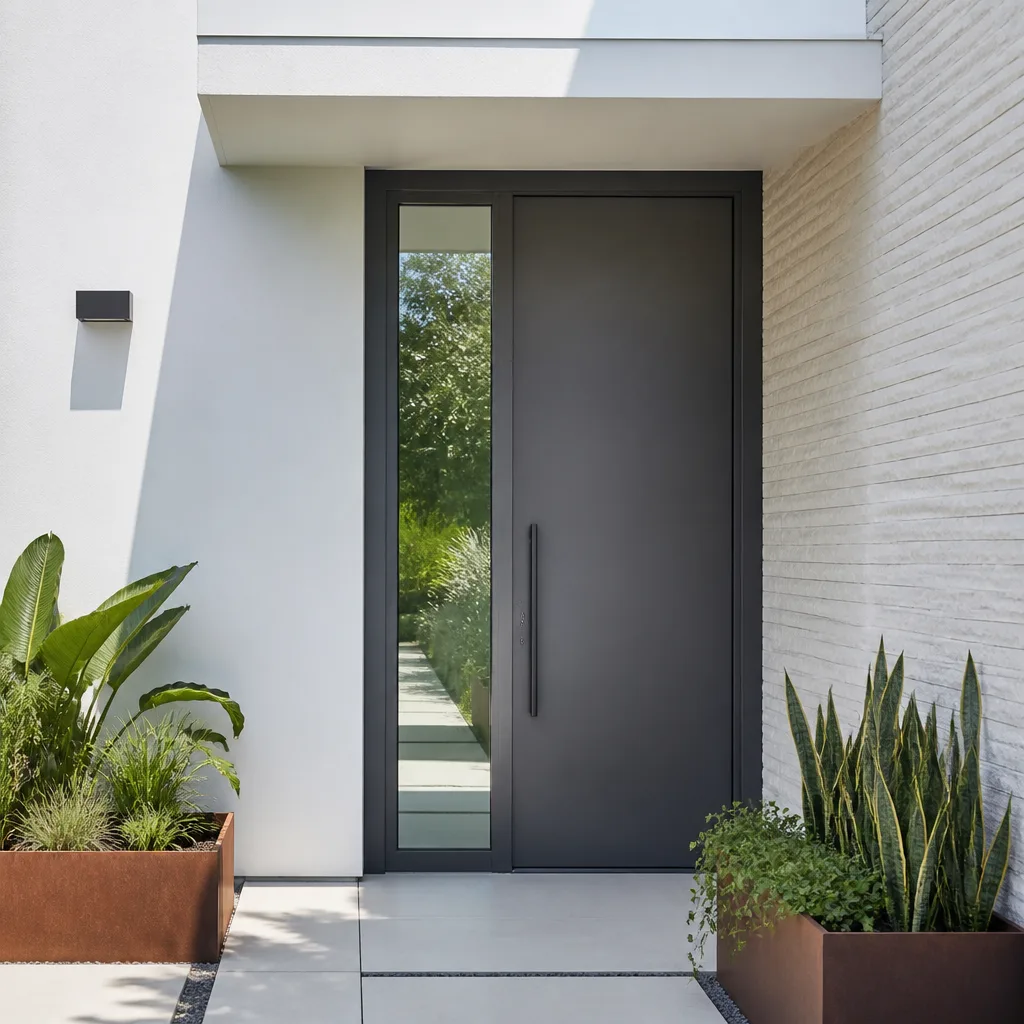
Permit navigation is manageable for simple, single-unit replacements with no structural changes, though many homeowners weigh DIY vs professional installation for their windows & doors. Call a licensed contractor when your project involves multiple openings, impact-rated products, structural modifications, or any work in Florida City’s HVHZ exposure areas. The cost of professional permit management is typically recovered through faster approval, fewer inspections, and elimination of re-inspection fees.
Sightline Windows & Doors Florida City offers free estimates in Florida City - call (786) 418-6182. Every estimate includes permit requirement identification, product NOA verification, and a written timeline from application to final sign-off. For more guides & resources, visit our blog. The measured survey you receive documents each opening’s exposure category and specifies the exact product, with no substitution without your written approval. Haven Clause 1: the price we write is the price you pay, and it includes all permit costs we identify.
Frequently Asked Questions
Permit fees for residential window replacement in Florida City typically range from $135 for small projects under $2,000 to $860 for whole-home replacements valued at $10,000-$25,000, including plan review fees. Call (786) 418-6182 for an exact quote on your specific project - estimates are free.
A homeowner can perform their own window replacement, but they cannot exempt themselves from the permit requirement. The same building permit and Notice of Commencement rules apply to owner-performed work. The homeowner assumes full liability for code compliance and inspection passage, and most insurers require licensed contractor documentation for workmanship warranty claims.
Check the Miami-Dade Product Control Database using the manufacturer name and model number from the product label. The NOA must show “Active” status and must cover your specific product configuration, size, and installation method. We provide the NOA number on every written quote so you can verify before work begins.
Yes, potentially. Under Florida Statute 627.409, insurers may deny claims where unpermitted alterations contributed to the loss, particularly for hurricane-related water intrusion through improperly installed or non-compliant windows. The risk is highest with non-impact-rated products in HVHZ areas. Proper permitting and documented installation protect your coverage.
With complete documentation, expect 2-4 weeks from Notice of Commencement filing to final inspection sign-off. Incomplete applications, product documentation mismatches, or re-inspections can extend this to 6-8 weeks. Qualified contractors with clean records may qualify for expedited plan review, reducing timeline by 3-5 days.
You bear the cost of removal, disposal, replacement, and re-inspection. The online retailer’s return policy typically does not cover installation labor or permit extension fees. We have reviewed situations where a $2,000 “savings” on online windows became a $5,000 net loss after failure and replacement. Call (786) 418-6182 for a free second opinion on any written estimate, including supplier quotes.
The Bottom Line
Florida’s two-track permitting system - statewide code plus local amendments - creates complexity that rewards preparation and punishes assumption. For Florida City homeowners, Miami-Dade’s stringent HVHZ requirements mean every window and door replacement demands verified product approval, proper permitting, and documented inspection passage. The cost of compliance is modest and predictable; the cost of non-compliance compounds across insurance coverage, code enforcement, and property resale. Work with contractors who document every step, specify products by approval number, and put the full scope in writing before work begins. The paper trail is not bureaucracy; it is the evidence that protects your investment.
Written by Sonia Raman, Owner at Sightline Windows & Doors Florida City, serving Florida City since 2012.