
Last updated September 24, 2026
Free in-home measure and quote - PGT, CGI and CWS impact lines compared on your actual openings, style by style




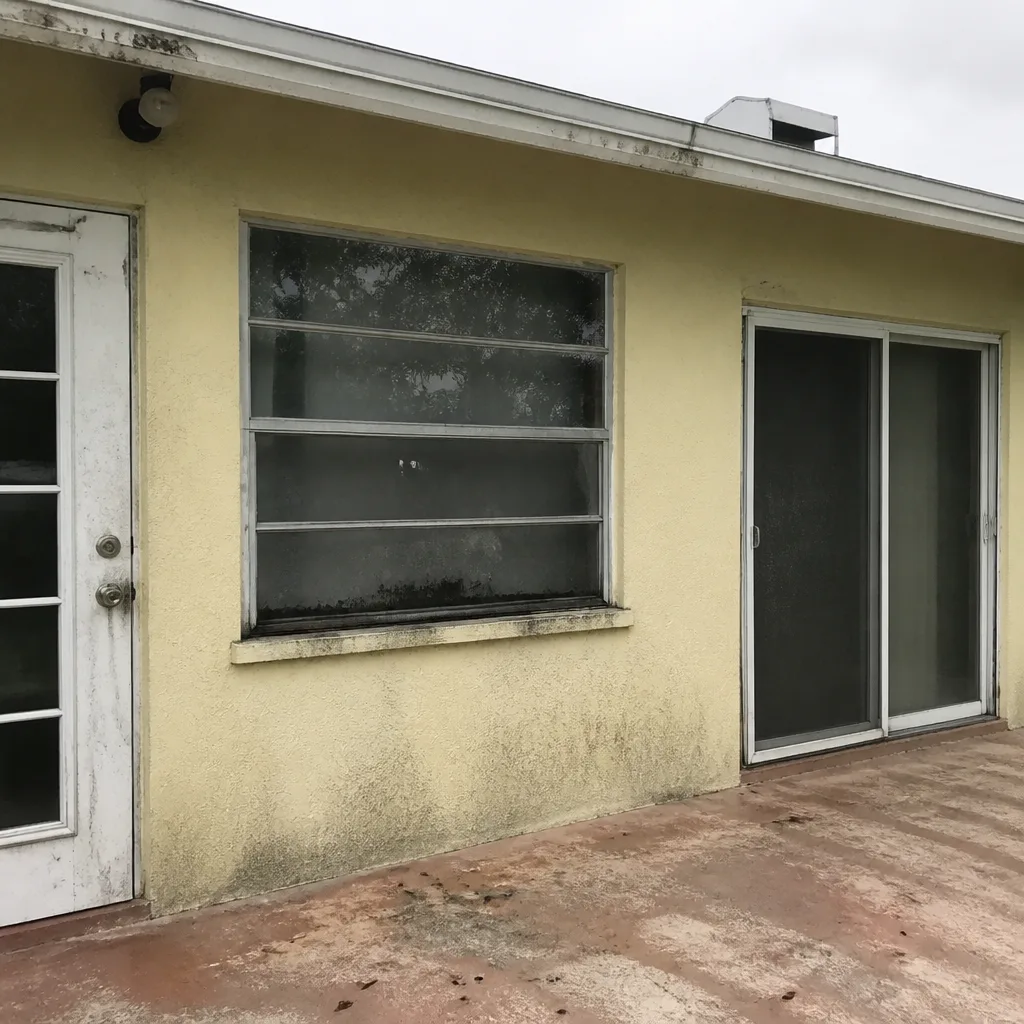 Before
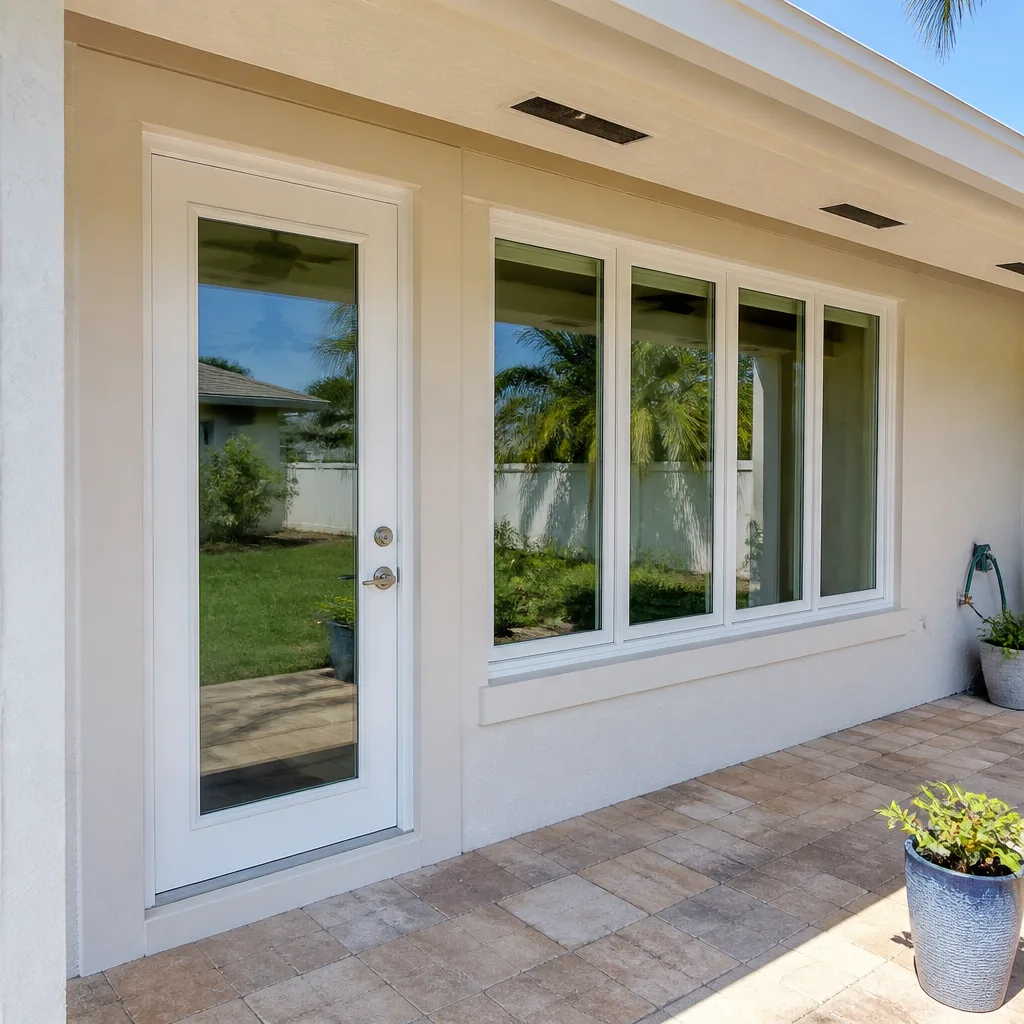 After
After Before
 After
After Before
 After
AfterWindow Installation Maintenance Checklist for Florida City Homeowners
The sill pan flashing behind your window frame is invisible after installation, but it is the single component most likely to cause water intrusion in a Florida City home - and it can fail silently for 18 months before a stain appears on your drywall. Most maintenance checklists treat windows as a generic product you clean twice a year. We do not. In the salt-humid climate of southern Miami-Dade County, windows fail at three distinct interfaces: the frame-to-rough-opening connection, the glazing seal, and the hardware mechanism. Each interface demands inspection on a different schedule, with different tools, and with different warning signs. This guide shows Florida City homeowners how to inspect all three, what documentation to keep, and when a measured survey makes more sense than a DIY check.
Quick Answer
Florida City homeowners should inspect window installations quarterly at three interfaces: the frame-to-opening connection for drainage and flashing integrity, the glazing seal for UV degradation and salt corrosion, and the hardware for salt-air corrosion and alignment. Document everything with dated photos and compare against your installation photo record. Professional inspection is warranted when you find soft trim, fogged glass, or corroded multi-point lock hardware - contact Sightline for our Window Installation services.
Table of Contents

- The Frame-to-Rough-Opening Connection: Your First Line of Defense
- The Glazing Seal: UV, Salt, and the Florida Sun
- The Hardware Mechanism: Corrosion in Coastal Air
- Documentation: The Baseline That Protects Your Investment
- Why Florida City’s Climate Demands Its Own Schedule
- Step-by-Step Interior Inspection Guide
- Common Mistakes to Avoid
- When to Call a Professional
- Frequently Asked Questions
 Before
 After
AfterThe Frame-to-Rough-Opening Connection: Your First Line of Defense
Water does not enter through the middle of a window. It enters where the window meets the wall. In Florida City, where the water table sits high and afternoon thunderstorms drop two inches in thirty minutes, the frame-to-rough-opening connection is under constant hydrostatic pressure. This interface includes the sill pan flashing, the shims, the fasteners, the backer rod, and the sealant joint. Any one of these can fail independently.
The sill pan flashing is a formed sheet of PVC, metal, or membrane that sits beneath the window sill and extends up the jambs. Its job is to collect any water that breaches the exterior sealant and drain it to the exterior through weep holes. In Florida City’s salt-air environment, metal pans corrode. PVC pans can deform under sustained heat. Membrane pans can delaminate if the substrate was damp during installation. The critical point: you cannot see the pan without removing interior trim.
Here is what you can inspect from the interior without disassembly:
- Run your hand along the interior sill after a heavy rain. Any dampness, even slight coolness, indicates water is reaching the pan or bypassing it entirely.
- Press the drywall immediately below the window with firm thumb pressure. Soft spots mean water has been present long enough to degrade the gypsum.
- Examine the interior trim for paint failure at the bottom edge. Peeling, bubbling, or discoloration where trim meets sill is often the first visible sign of pan failure.
- Check that weep holes on the exterior frame are unobstructed. In Florida City, these clog with salt residue, insect debris, and pollen within a single season.
- Look for daylight between the frame and the rough opening. Gaps wider than 1/8 inch indicate shim settlement or fastener back-out, both of which stress the sealant joint.
The sealant joint itself deserves specific attention. Most Florida City installations use a backer rod with polyurethane or silicone sealant. Polyurethane degrades in UV exposure; silicone can lose adhesion if the substrate was not primed correctly. A proper joint shows concave tooling, full contact with both substrates, and no voids. A failed joint shows cracking, powdering, or three-sided adhesion (the sealant sticking to both sides of the joint but not the back, which allows it to pull away like a string).
We have measured frame-to-opening gaps on fifteen-year-old installations in the Redland area that had gone uninspected since the original window installation in Florida City. The shims had compressed, the fasteners had backed out, and the sealant had failed in tension. The homeowner only noticed when the interior trim rotted. A fifteen-minute inspection every three months would have caught it at the sealant stage.
The Glazing Seal: UV, Salt, and the Florida Sun
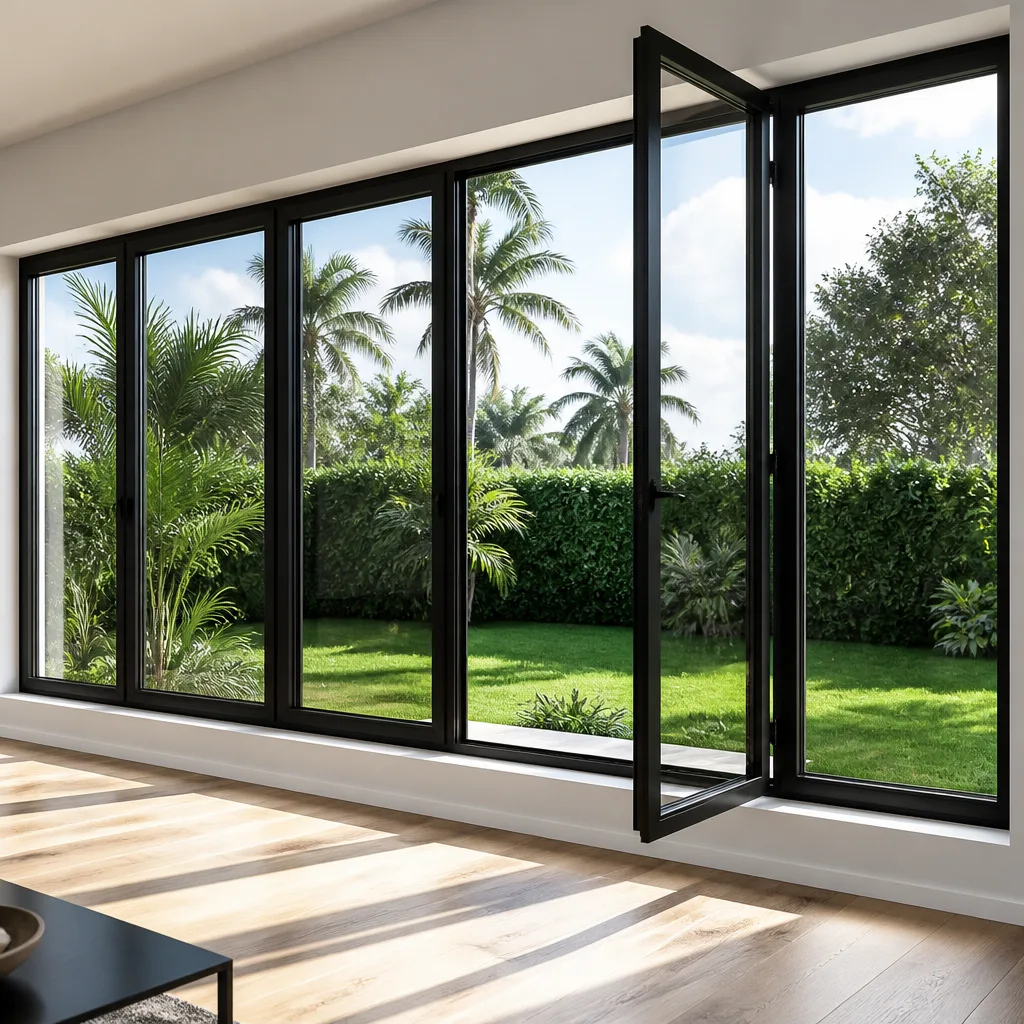
The glazing seal is the boundary between the glass and the sash frame. In modern windows, this is typically a dual-seal system: a primary structural seal of polyisobutylene (PIB) or warm-edge spacer with desiccant, and a secondary cap bead of silicone or polysulfide. In Florida City’s subtropical exposure, UV radiation degrades the secondary seal faster than manufacturer specifications predict. Most glazing compound lifespan ratings assume 2,500 annual UV hours. Florida City receives approximately 3,100.
UV-degraded silicone does not crack immediately. It chalks. The surface develops a fine white powder that wipes away with a finger. Beneath that powder, the silicone has begun to lose elastomeric recovery - the ability to stretch and return. When the glass expands in afternoon heat and contracts overnight, the seal follows less and less. Eventually it tears. Once torn, capillary action draws water into the air space. You see fogging.
Inspect the glazing seal on this schedule:
- Monthly: Visual scan for chalking, tears, or gaps in the cap bead. Use raking light - light at a low angle - to reveal surface texture changes.
- Quarterly: Physical check with a plastic probe (a wooden popsicle stick works). The seal should feel rubbery and resist indentation. If it crumbles or leaves residue on the probe, it is UV-degraded.
- Annually: Check for fogging between panes by viewing the glass against a bright background at an angle. Early fogging appears as a faint haze, not droplets.
Salt corrosion affects glazing seals differently. Salt aerosol from Biscayne Bay and Florida Bay deposits on the exterior glass and frame. When rain or dew dissolves it, the resulting brine can wick into microscopic gaps at the glass-edge interface. This accelerates corrosion of any exposed metal spacer and can delaminate low-E coatings at the edge. Windows facing southeast, toward the prevailing wind, show this pattern first. In our work across Florida City and the surrounding agricultural areas, we have replaced glazing units on ES Windows and CWS products where the edge seal failed from salt ingress before the center of the glass showed any degradation.
The glazing seal also includes the setting blocks and edge spacers that position the glass within the sash. These are not visible without disassembly, but their failure produces visible symptoms: glass rattle, visible movement when you press the pane, or uneven sightlines (the visible glass edge appears wider on one side than the other). A proper sightline measurement - the visible width of frame to glass - should be consistent within 1/16 inch around the perimeter. We document this on every window replacement in Florida City with a photo record the customer keeps.
The Hardware Mechanism: Corrosion in Coastal Air
Window hardware in Florida City operates in an environment that exceeds the design parameters of most manufacturer specifications. Coastal salt air, combined with 90-degree-plus temperatures and 80-percent humidity, creates an accelerated corrosion cell on any unprotected ferrous metal. Multi-point locks, which engage at two or more points along the sash edge, are particularly vulnerable because their internal mechanisms are not user-serviceable and their exterior fasteners are often the lowest-grade stainless steel the manufacturer could specify.
Multi-point locks contain a central gearbox, connecting rods, and multiple locking cams. Salt air enters through the key cylinder, the spindle hole, and any gap in the faceplate. The gearbox contains zinc-coated steel springs and brass pawls. When salt corrodes the spring, the pawl does not return to position. The lock feels “mushy.” When the connecting rod corrodes at a cam joint, the lock engages at the handle but not at the remote point. The window appears locked but is not.
Inspect hardware on this schedule:
- Monthly: Operate every lock and latch through its full range. It should feel consistent - same resistance, same travel, same sound. Any change is a warning.
- Quarterly: Remove visible fasteners with the correct driver (usually a Phillips #2 or Torx T15). Examine the fastener head for corrosion staining. If the driver no longer seats cleanly, the fastener is degrading.
- Semi-annually: Apply a dry lubricant - not oil-based, which attracts salt and grit - to all moving parts. Graphite or PTFE spray is appropriate. Cycle the mechanism twenty times after application.
- Annually: Check screw torque. Salt corrosion can seize fasteners in place; attempted operation then twists the screw in its hole, wallowing out the threads. A properly torqued fastener resists but turns; a corroded fastener does not turn or turns freely in a stripped hole.
Hinges and friction stays require similar attention. Top-hung and side-hung casement windows use friction stays - arms with a sliding shoe that holds the sash open at any angle. The shoe contains a nylon block that grips a stainless steel arm. Salt corrosion pits the arm; the nylon block then wears unevenly. The sash drifts. In Florida City’s environment, we have seen friction stay failure in four to six years on hardware that manufacturers rate for ten. The ECO Window Systems and Mr-Glass products we install use upgraded 316-grade stainless hardware for this reason, specified at the survey stage when the opening’s exposure demands it.
Handles and operators are the most visible hardware and the most frequently replaced. Crank operators on casement windows contain a worm gear and sector gear. The worm is steel; the sector is typically zinc or aluminum. Galvanic corrosion occurs when salt bridges the two dissimilar metals. The crank becomes stiff, then strips. Replacement requires removing the sash in most cases - not a homeowner task.
Documentation: The Baseline That Protects Your Investment
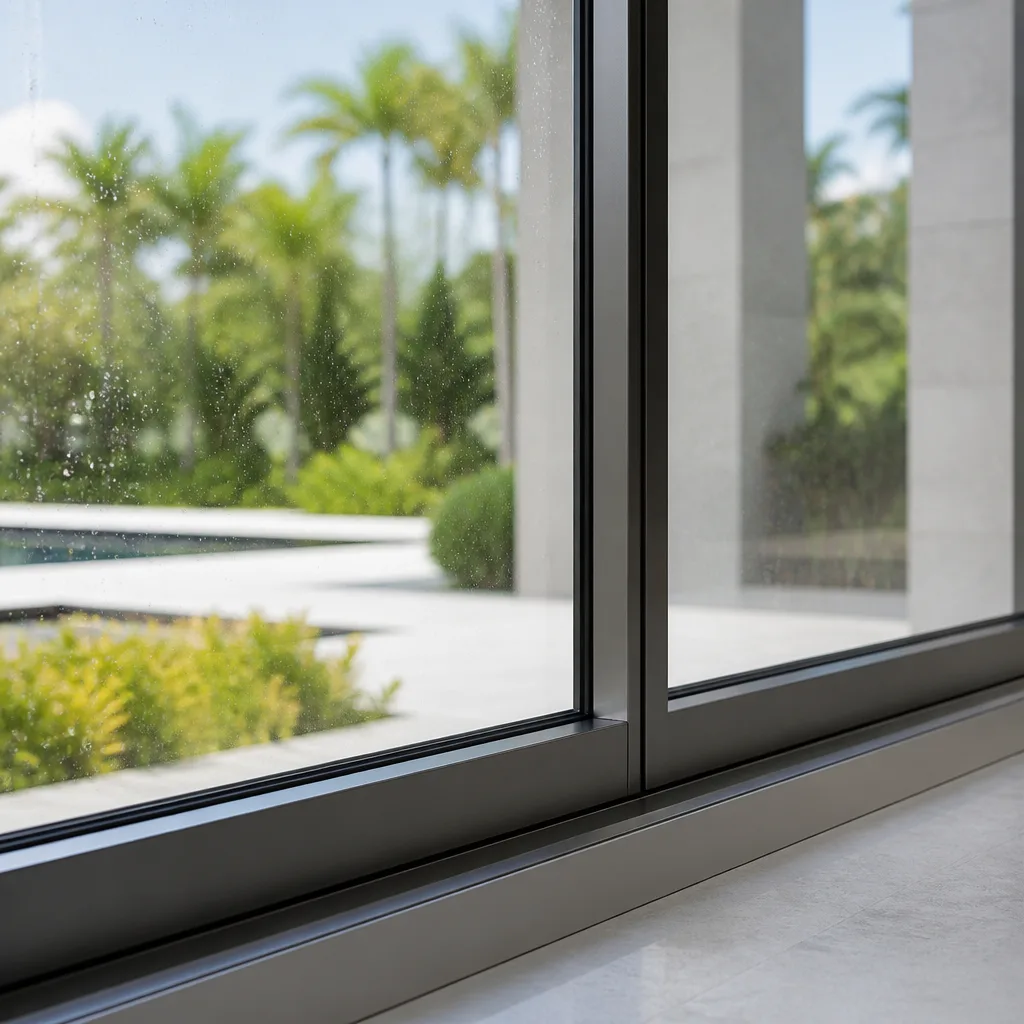
Every window installation should leave a documented photo record. This is not a courtesy; it is evidence. At Sightline Windows & Doors Florida City, every job under the Haven Standard includes a documented photo record: frame-to-opening measurements, sill pan placement, fastener type and spacing, sealant application, glazing sightlines, hardware torque settings, and final operation verification. The customer receives this record. It becomes the baseline against which future maintenance is compared.
A proper post-install photo record should contain:
- Wide shots of each opening from interior and exterior, showing surrounding conditions
- Close-ups of sealant joints, with tooling visible
- Sill pan installation before window placement, showing slope to weep holes
- Fastener locations marked on a diagram or photo with measurements from corners
- Glazing sightline measurements at four points per sash
- Hardware manufacturer and model numbers
- Final air and water test results if performed
Without this baseline, you cannot distinguish settlement from installation defect, normal wear from premature failure, or your maintenance omission from a product deficiency. We have reviewed maintenance disputes in Florida City where the absence of a photo record made it impossible to determine whether a leak originated in installation or in subsequent trim modification by the homeowner. The Haven Standard’s Evidence clause exists for this reason.
If your original installer did not provide a photo record, create your own. Photograph each window from the same angles, with the same lighting, on the same date annually. Store images with metadata intact. When you call for service, these images allow a technician to assess whether conditions have changed without a site visit.
Why Florida City’s Climate Demands Its Own Schedule
Manufacturer maintenance schedules assume average conditions: moderate humidity, moderate UV, moderate temperature swing. Florida City’s conditions exceed average in every category. The city sits at 25.4 degrees north latitude, with 252 days per year reaching 90 degrees Fahrenheit or higher. Relative humidity averages 72 percent annually and exceeds 80 percent for six months. Salt aerosol concentration is elevated due to proximity to Biscayne Bay, Florida Bay, and the agricultural canal system that moves brackish water through the region.
These conditions produce three departures from standard maintenance schedules:
Condensation frequency: High humidity and temperature differential between conditioned interior and unconditioned exterior produce more condensation cycles. Each cycle stresses the glazing seal and promotes mold on the frame-to-opening interface. Standard schedules assume fewer cycles; Florida City demands more frequent seal inspection.
UV dose: The 3,100 annual UV hours in Florida City exceed the 2,500-hour design basis for most glazing compounds by 24 percent. This does not mean seals fail 24 percent faster in a linear way; UV degradation accelerates as the protective additives deplete. A seal rated for ten years in standard conditions may show degradation at six to seven years here.
Salt deposition: The agricultural and coastal environment deposits salt on exterior surfaces at rates that interior manufacturers do not test for. Hardware corrosion, glass edge delamination, and frame finish failure all accelerate. We have documented stainless steel hardware with visible pitting after three years on southeast-facing windows in the Redland and Florida City areas.
The practical result: a maintenance schedule designed for Tampa or Orlando will leave Florida City homeowners inspecting too infrequently. For deeper cost context, see our Windows & Doors Cost Breakdown: The Florida City Homeowner’s Reference for 2026. We recommend compressing standard manufacturer intervals by 30 to 40 percent. If the manufacturer suggests annual hardware lubrication, do it at eight months. If they suggest five-year seal inspection, inspect at three years. This is not overcaution; it is calibration to actual conditions.
Step-by-Step Interior Inspection Guide
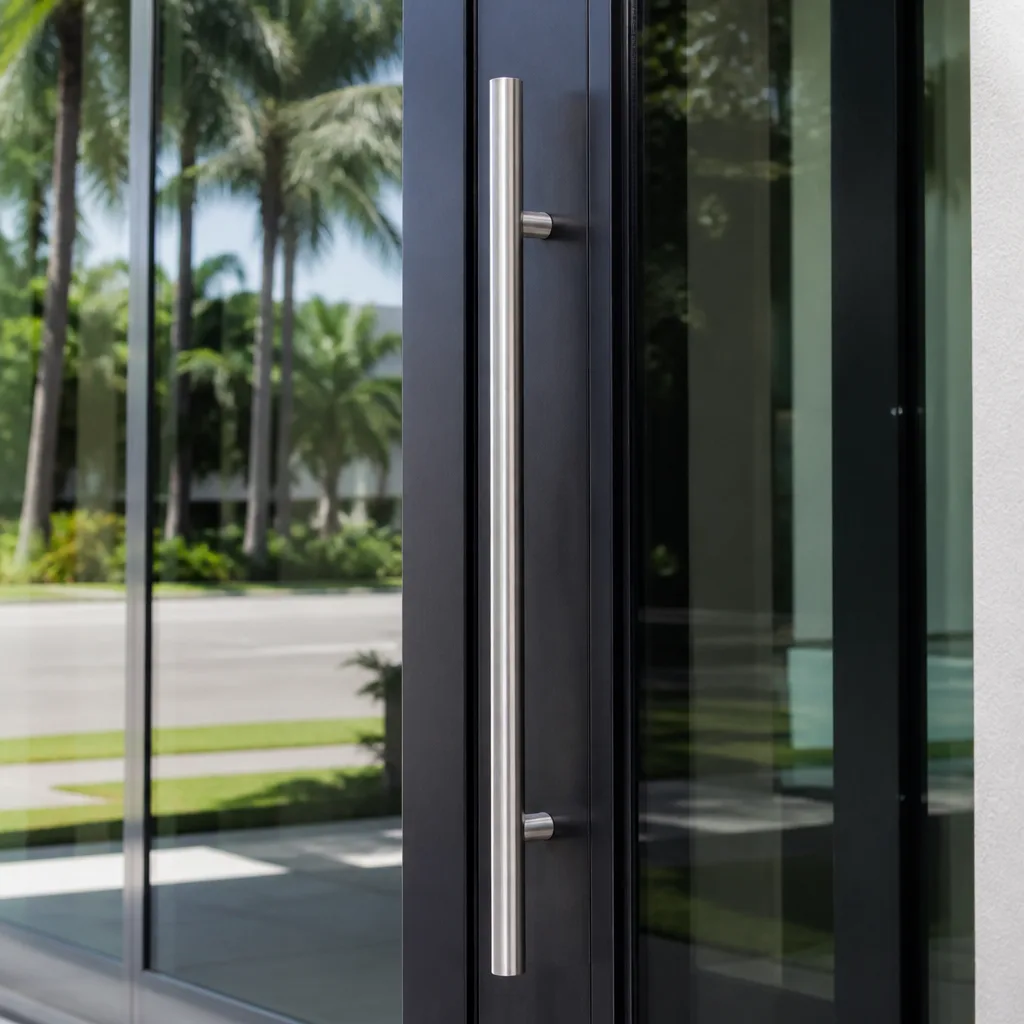
This procedure requires no tools beyond a flashlight, a plastic probe, and your photo record. Perform it quarterly, after the first heavy rain of each season. It addresses all three interfaces in sequence.
- Prepare the opening. Remove drapes, blinds, and obstructions. Open the window fully if operable. Note the date, time, weather, and recent rainfall in your maintenance log.
- Inspect the frame-to-opening connection. Run your hand along the interior sill, then the jambs, then the head. Any dampness, temperature variation, or musty odor is significant. Press drywall below the sill with firm thumb pressure - soft spots indicate chronic water exposure. Examine interior trim for paint failure, especially at the bottom edge. Photograph any findings and compare to your baseline record.
- Check drainage. From the exterior, verify weep holes are open. Use a soft wire or pipe cleaner - never a metal probe that could damage the frame. Water should drain freely from the sill pan when you pour a cup of water into the track. If it does not, the pan may be improperly sloped or obstructed.
- Inspect the glazing seal. Use raking light from your flashlight held at a low angle. Examine the cap bead for chalking, tears, or gaps. Probe with your plastic stick - the seal should feel resilient, not crumbly. Check sightline consistency around the perimeter; uneven sightlines indicate glass shift or sash deformation. Photograph any changes from baseline.
- Operate and inspect hardware. Cycle every lock, latch, hinge, and operator through its full range. Note any change in resistance, travel, or sound. Examine visible fasteners for corrosion staining. Check that multi-point locks engage at all points - you should hear or feel each cam engage, not just the handle return to position.
- Document and schedule. Record all findings with dated photos. Schedule any needed maintenance. If findings exceed your comfort level, schedule a professional inspection.
This entire procedure takes approximately ten minutes per window on first execution, five minutes once familiar. The time invested is negligible against the cost of water damage remediation or full door installation in Florida City or window replacement due to neglected maintenance.
Common Mistakes to Avoid
- Inspecting only from the exterior. Water intrusion evidence appears on the interior first. Exterior inspection alone misses the critical signs of sill pan failure and drywall degradation.
- Using oil-based lubricants on hardware. WD-40 and similar products attract salt and grit, accelerating corrosion rather than preventing it. Use dry lubricants only.
- Cleaning weep holes with metal tools. Metal probes score the weep hole channel, creating a ledge where debris collects. Use plastic or wood tools only.
- Ignoring seasonal timing. Inspecting in dry season misses active leaks. The first heavy rain of wet season - typically May in Florida City - is the most revealing inspection opportunity.
- Comparing to manufacturer schedules without climate adjustment. A seal rated for ten years in standard conditions is not rated for ten years at 3,100 UV hours and 80 percent humidity. Adjust intervals downward.
- Failing to document. Memory is unreliable for gradual change. Without dated photos, you cannot prove when a condition began or whether it has progressed.
- Delaying professional inspection after finding soft drywall. Soft drywall means water has been present long enough to degrade gypsum. The underlying damage is already more extensive than the visible stain.
When to Call a Professional

Call a professional when inspection reveals soft drywall, fogged glass, corroded multi-point lock hardware, or weep holes that remain obstructed after cleaning. These conditions indicate failures at interfaces that may require disassembly, component replacement, or full window removal to remedy properly. In Florida City’s climate, delaying professional assessment after these warning signs typically doubles the remediation cost within one wet season.
Sightline Windows & Doors Florida City offers free estimates in Florida City - call (786) 418-6182. Every estimate includes a measured survey you keep, a written price before any work starts, and a documented photo record of findings. Our technicians are background-checked, uniformed, and identified by license number before arrival, under Haven Clause 3 (Verified Crews). The 365-Day Done Right Promise applies to any maintenance or replacement work we perform.
Frequently Asked Questions
Florida City homeowners should perform a full three-interface inspection quarterly, with monthly visual checks of glazing seals and hardware operation. Compress manufacturer-recommended intervals by 30 to 40 percent due to elevated UV, humidity, and salt exposure. Call (786) 418-6182 for a free estimate if any inspection reveals soft drywall, fogged glass, or failed hardware.
Fogged glass indicates a breached glazing seal, allowing moisture into the air space between panes. In Florida City’s high-humidity environment, this moisture cannot evaporate naturally and will progressively etch the interior glass surfaces. The glazing unit requires replacement; sealant repair is not effective. Bring us a competitor’s quote for a free second opinion - we review any written estimate at no charge.
You cannot see the sill pan without removing interior trim, but you can assess its function indirectly. Check for dampness on the interior sill after rain, press drywall below the window for soft spots, and verify that exterior weep holes drain freely when water is poured into the track. Any positive finding warrants professional assessment with trim removal.
Florida City’s proximity to Biscayne Bay and Florida Bay, combined with the agricultural canal system, elevates ambient salt aerosol. Salt deposits on hardware surfaces; humidity dissolves it; the resulting electrolyte accelerates galvanic corrosion between dissimilar metals. Southeast-facing windows experience this first due to prevailing onshore winds.
A proper record includes wide interior and exterior shots, close-ups of sealant joints, sill pan placement before window installation, fastener locations with measurements, glazing sightline measurements at four points per sash, hardware manufacturer and model numbers, and any air or water test results. Sightline provides this documentation on every job under the Haven Standard’s Evidence clause.
At Sightline Windows & Doors Florida City, the written price before work starts is the final price. Haven Clause 1 requires that the measured survey and the quote be the same document. No change orders, no surprises. This has governed every one of the 18,000+ openings we have touched since 2012.
The Bottom Line

Window maintenance in Florida City is not a seasonal chore. It is a systematic inspection of three interfaces - frame-to-opening, glazing seal, and hardware - each with distinct failure modes, distinct warning signs, and distinct inspection intervals compressed below manufacturer recommendations for this climate. The sill pan flashing you cannot see matters as much as the glass you clean weekly. Documentation transforms maintenance from guesswork into evidence. And when inspection reveals conditions beyond your scope, a professional assessment with a written price before work starts is the only approach that protects your investment. Explore more guides & resources on our blog.
Call (786) 418-6182 to schedule your free estimate. You’ll receive a measured survey you keep, a written price that does not change, and if work proceeds, a documented photo record under the Haven Standard. Live phone coverage is available 24/7.
Written by Sonia Raman, Owner at Sightline Windows & Doors Florida City, serving Florida City since 2012.