
Last updated September 24, 2026
Free in-home measure and quote - PGT, CGI and CWS impact lines compared on your actual openings, style by style
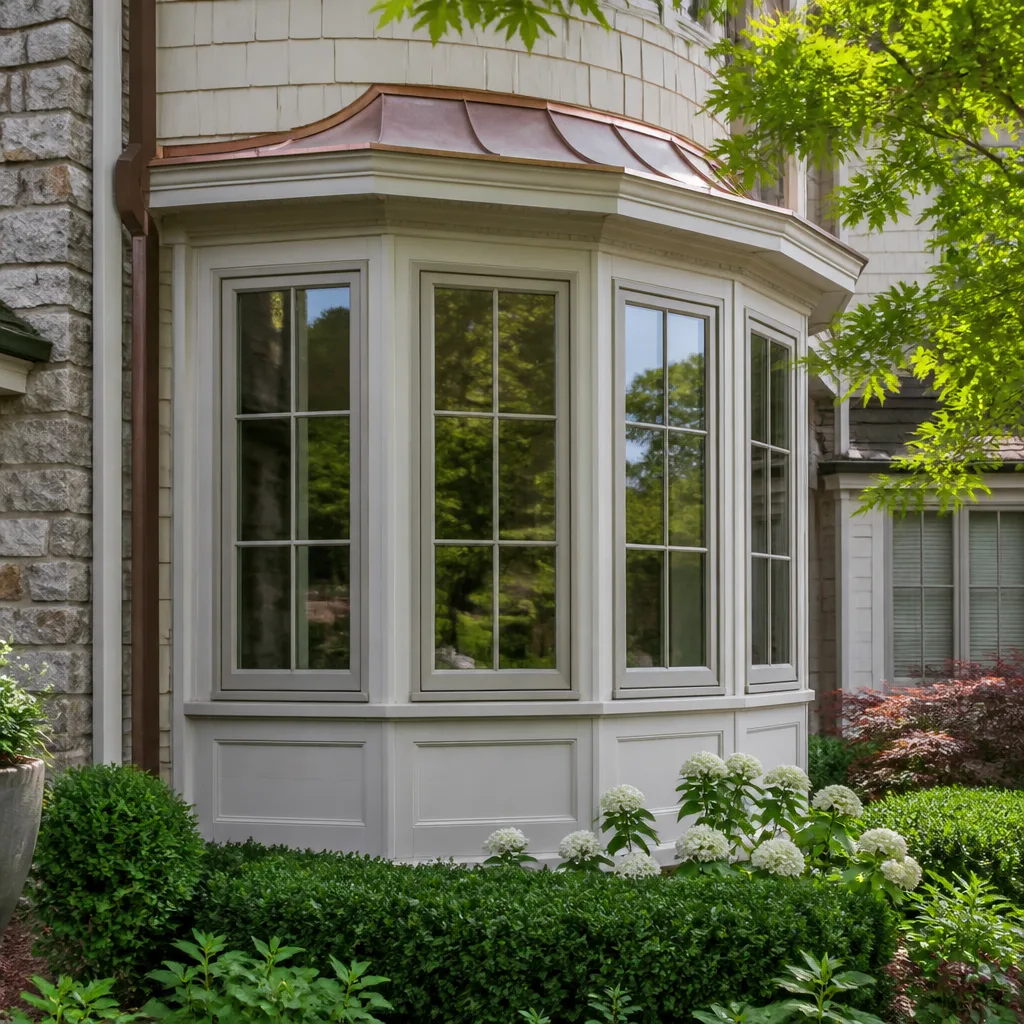
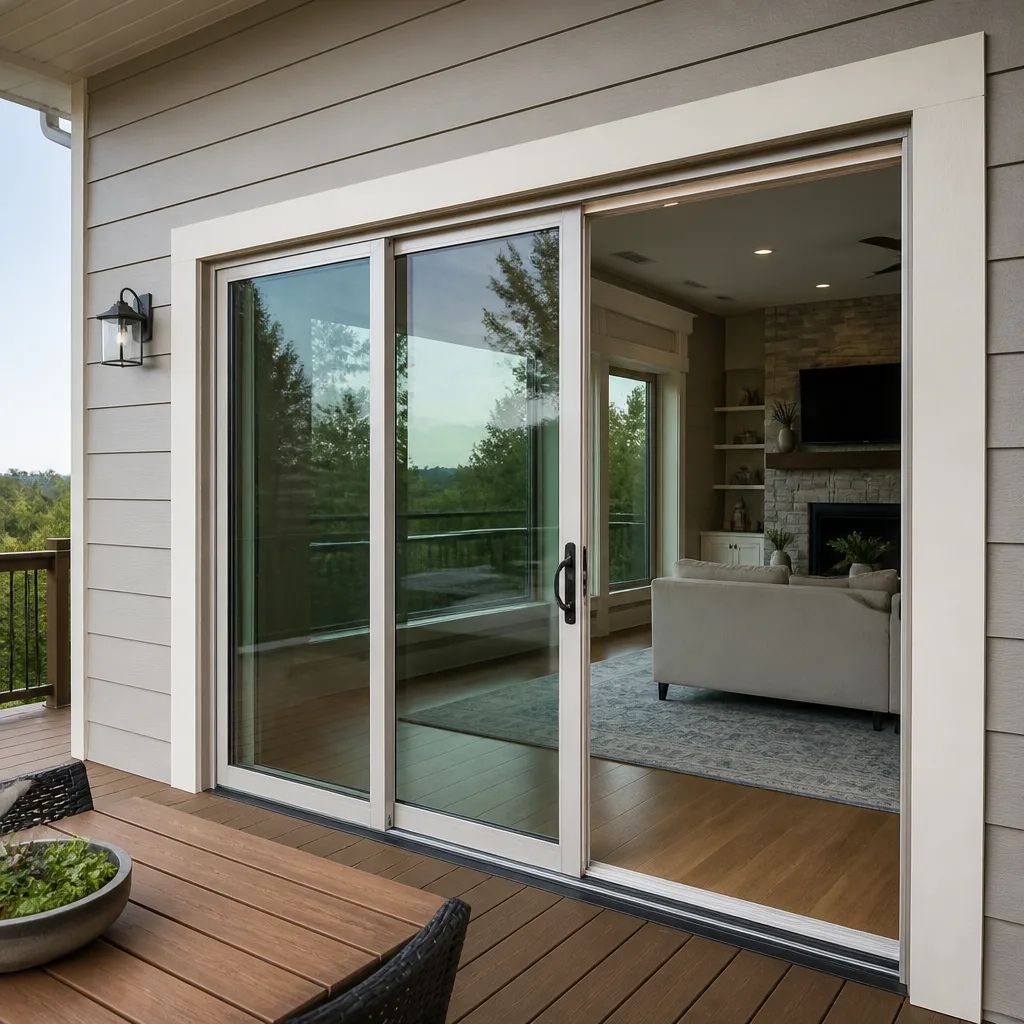
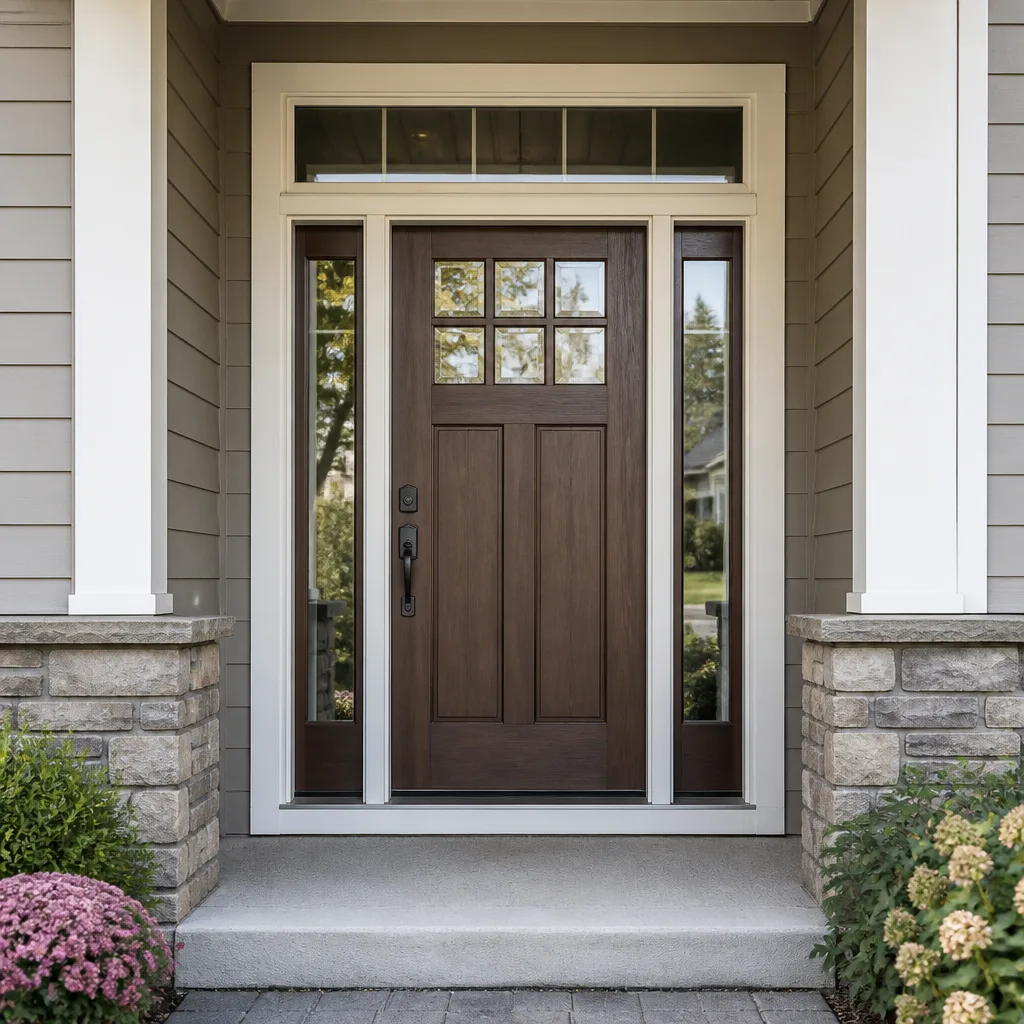
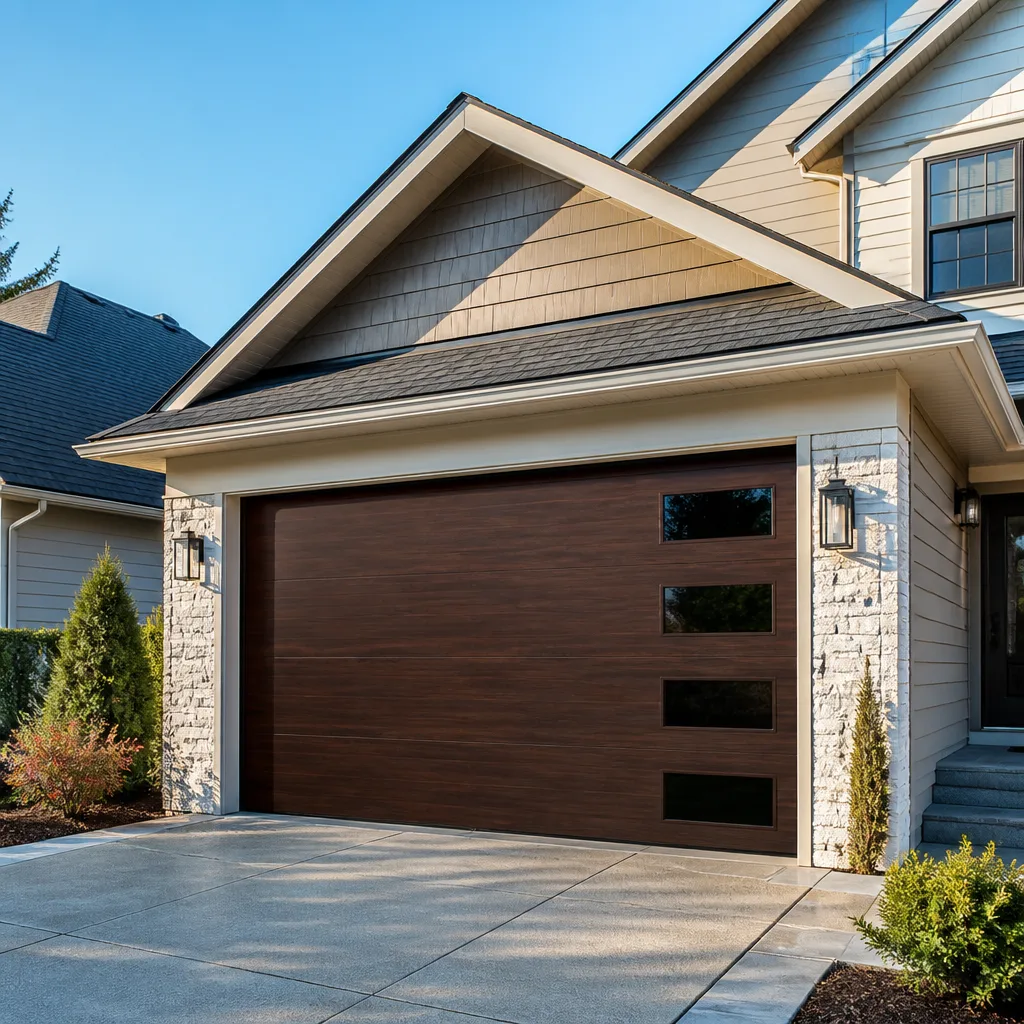

 Before
 After
After Before
 After
After Before
 After
AfterSeasonal Windows & Doors Care for Florida City: Year-Round Homeowner’s Guide
Thermal expansion from Florida City’s dry-season heat causes aluminum window frames to move measurably - sometimes 3 to 5 millimeters over a single afternoon - and sealants that aren’t rated for that movement range will crack before the first hurricane season arrives. Most homeowners here treat window maintenance like a northern chore calendar: spring cleaning, winter prep. That model fails in South Florida. Florida City has two stress cycles, not four seasons, and each cycle degrades different components through different mechanisms. This guide maps what to check, when to check it, and what failure looks like before it becomes water intrusion or a compromised impact rating, with Windows & Doors Permits, Codes & Inspections in FL: What You Need to Know as a companion resource.
Quick Answer
Florida City homeowners should maintain windows and doors around two annual stress cycles: hurricane season (June-November), when wind-driven rain and debris test impact glazing and frame anchors; and dry-season UV/thermal expansion (December-May), when sealants degrade and hardware fatigues from daily heat cycling. A biannual inspection protocol - pre-hurricane in April-May and post-storm after any named system - prevents the seal failures and weep-hole clogs that account for most warranty claims in South Florida’s subtropical climate; see our Window Installation Maintenance Checklist for Florida City Homeowners for a printable version.
Table of Contents
- Florida City’s Two Stress Cycles, Not Four Seasons
- Pre-Hurricane Season Inspection Protocol (April-May)
- Post-Storm Inspection Sequence
- Dry-Season UV Degradation and Sealant Failure
- Weep Hole Maintenance in Florida City’s Wet Season
- Hardware Lubrication Schedule for Salt-Air Environments
- Common Mistakes to Avoid
- When to Call a Professional
- Frequently Asked Questions
- The Bottom Line
 Before
 After
AfterFlorida City’s Two Stress Cycles, Not Four Seasons
The standard home maintenance calendar was written for climates with freeze-thaw cycles. Florida City sits at 25.4 degrees north latitude with zero frost days annually, average July highs of 91°F, and a six-month hurricane window that delivers 80% of annual rainfall in concentrated bursts. The relevant division here is not spring versus fall but pre-storm versus post-storm, wet versus dry, thermal expansion versus wind loading.
From December through May, the dry season brings low humidity, intense UV, and daily temperature swings that stress materials differently than the wet season. A dark aluminum frame in direct sun can reach 140°F surface temperature by 2 PM and drop to 85°F by 10 PM. That 55-degree delta, repeated 180 days annually, fatigues sealants, gaskets, and hardware faster than the absolute temperature alone would suggest.
June through November brings the inverse problem: sustained moisture, wind-driven rain at 70+ mph during tropical systems, and the debris impacts that test whether your window installation in Florida City was executed to the product’s rated specification. Impact-rated glass that passes a large-missile test in a lab can still fail if the frame anchor spacing exceeded manufacturer tolerances during install.
We’ve documented this pattern across thousands of Florida City openings since 2012. The failures we see in October rarely start in June. They start in March, when a UV-cracked sealant finally separates under the first sustained wind load, or when a weep hole clogged since last season backs water into the wall cavity.
The care calendar below is organized around these two cycles. Each section specifies what to inspect, what to measure, and what documentation to keep - because Haven Clause 1 means the inspection record you keep is the same document that supports any future warranty or insurance claim.
Pre-Hurricane Season Inspection Protocol (April-May)
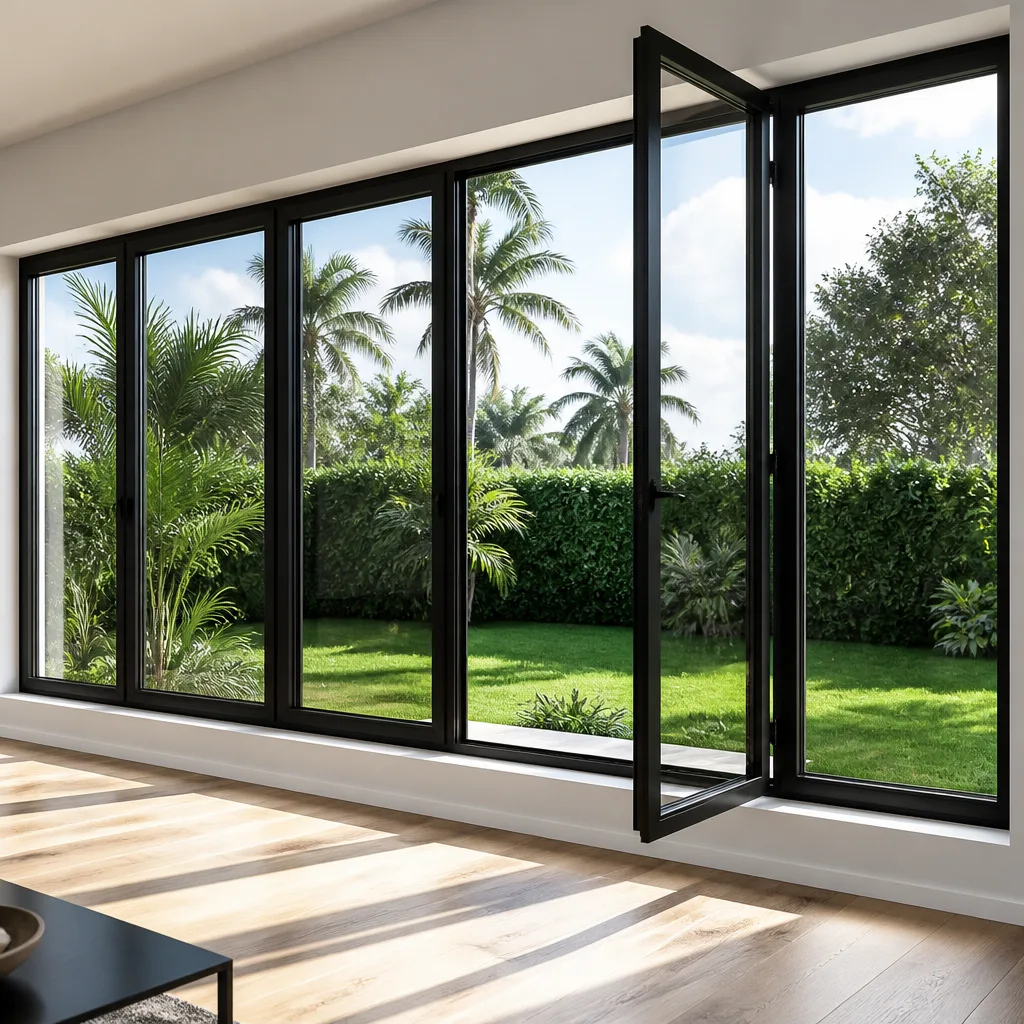
Florida City’s building code requires impact-rated products for most new and replacement installations, but the product rating and the installed performance are not the same thing. A PGT WinGuard or CGI Estate Collection window rated for large-missile impact still depends on frame anchorage, seal continuity, and hardware engagement to perform as tested. Our pre-season protocol checks the installation, not just the product label.
Impact Glazing Verification
Inspect each impact-rated unit for edge damage, delamination, or sealant separation at the glass-to-frame interface. Look specifically for:
- Spider cracks radiating from corners or anchor points - stress concentrations that indicate frame movement or improper shim placement during install
- Moisture fogging between panes on insulated units - a breached seal that eliminates the air gap’s structural contribution and voids most manufacturer warranties
- Missing or faded impact-rating labels - required for insurance documentation and code compliance; photograph each label before storm season
We’ve replaced units in Florida City’s Palmview neighborhood where the homeowner assumed impact glass was intact because the visible pane was unbroken. The inner lite had been compromised for two years, undetected until a minor tropical storm drove water through the failed edge seal.
Frame Anchor and Fastener Check
Impact-rated frames are tested with specific anchor spacing, typically 8 to 12 inches on center depending on product and wind zone. Field conditions sometimes push anchors wider to avoid plumbing or electrical runs. This voids the rating without voiding the label.
Check exposed fasteners for corrosion, backing out, or stripped heads. In Florida City’s salt-air environment, even stainless steel can show surface oxidation after five to seven years. More critically, check for frame movement: apply gentle pressure at the center of a fixed panel. Any perceptible deflection relative to the rough opening indicates anchor failure or inadequate embedment depth.
Weatherstripping and Seal Continuity
Compressible weatherstripping on operable sashes loses resilience over time. In Florida City’s climate, silicone bulb seals typically last 8-12 years; EPDM rubber, 5-8 years; PVC fin seals, 4-6 years. Check for:
- Permanent compression set - the strip stays flattened when the sash is opened, no longer rebounding to fill the gap
- Surface cracking or crazing visible under raking light
- Detachment from the kerf or groove - often starting at corners where installation stress concentrates
Replace degraded weatherstripping before June 1. Once wind-driven rain finds a path, the pressure differential during a storm can force water past seals that would pass a casual spray test.
Hardware Engagement and Locking Point Alignment
Multi-point locks on patio doors and casement windows must engage all points simultaneously. Misalignment from frame settlement or thermal cycling is common in Florida City’s expansive clay soils. Test each operable unit: the handle should rotate smoothly through its full range with consistent resistance, and each locking point should produce an audible click. If one point is silent, the sash is not fully secured and the weatherstripping is not fully compressed.
Document findings with dated photographs. Haven Clause 4 requires evidence on every job, and your pre-season inspection record is the baseline that proves storm-related damage versus pre-existing condition.
Post-Storm Inspection Sequence
After any named storm passes through South Florida, window and door systems need systematic assessment - both for immediate safety and for warranty preservation. Manufacturers including CWS, ES Windows, and ECO Window Systems specify that damage must be reported within defined windows, and that unauthorized repairs can void coverage. The sequence matters.
Step 1: Exterior Visual Survey (From Ground Level)
Walk the perimeter without touching units. Look for:
- Obvious glass breakage or frame deformation
- Displaced or missing trim pieces that may indicate structural movement
- Water stains on exterior walls below window heads - often the first visible sign of compromised flashing
Do not open operable units until you’ve confirmed no glass damage that could shift when the sash moves. A cracked impact lite can hold together under static load but release when disturbed.
Step 2: Controlled Operability Test
Once glass integrity is confirmed, test each operable unit through one full cycle - open, close, lock. Resistance beyond normal operation indicates frame racking or debris in the track. Forcing the mechanism can convert minor realignment into component replacement.
Step 3: Interior Water Intrusion Check
Inspect sill plates, drywall returns, and flooring adjacent to each unit. Florida City’s high humidity can obscure recent leakage; look for:
- Discoloration that does not match historical patterns
- Softened or swollen trim - MDF casing in particular degrades rapidly once wetted
- Musty odor in carpet or baseboard gaps
Document everything with dated photographs before any cleanup. Insurance adjusters and warranty inspectors will ask for this sequence.
Step 4: Professional Assessment for Impact-Rated Units
Impact glazing that has been struck by debris may show no visible damage but have compromised the interlayer or the glass lite itself. Manufacturer protocols vary: PGT typically requires replacement after any large-missile impact; CGI allows field assessment by certified inspectors for smaller debris. Check your product documentation or call the manufacturer directly - do not rely on general advice.
If you need a documented second opinion, window replacement in Florida City assessments from Sightline include the measured survey, written scope, and photo record that manufacturers and insurers accept as independent evidence.
Dry-Season UV Degradation and Sealant Failure
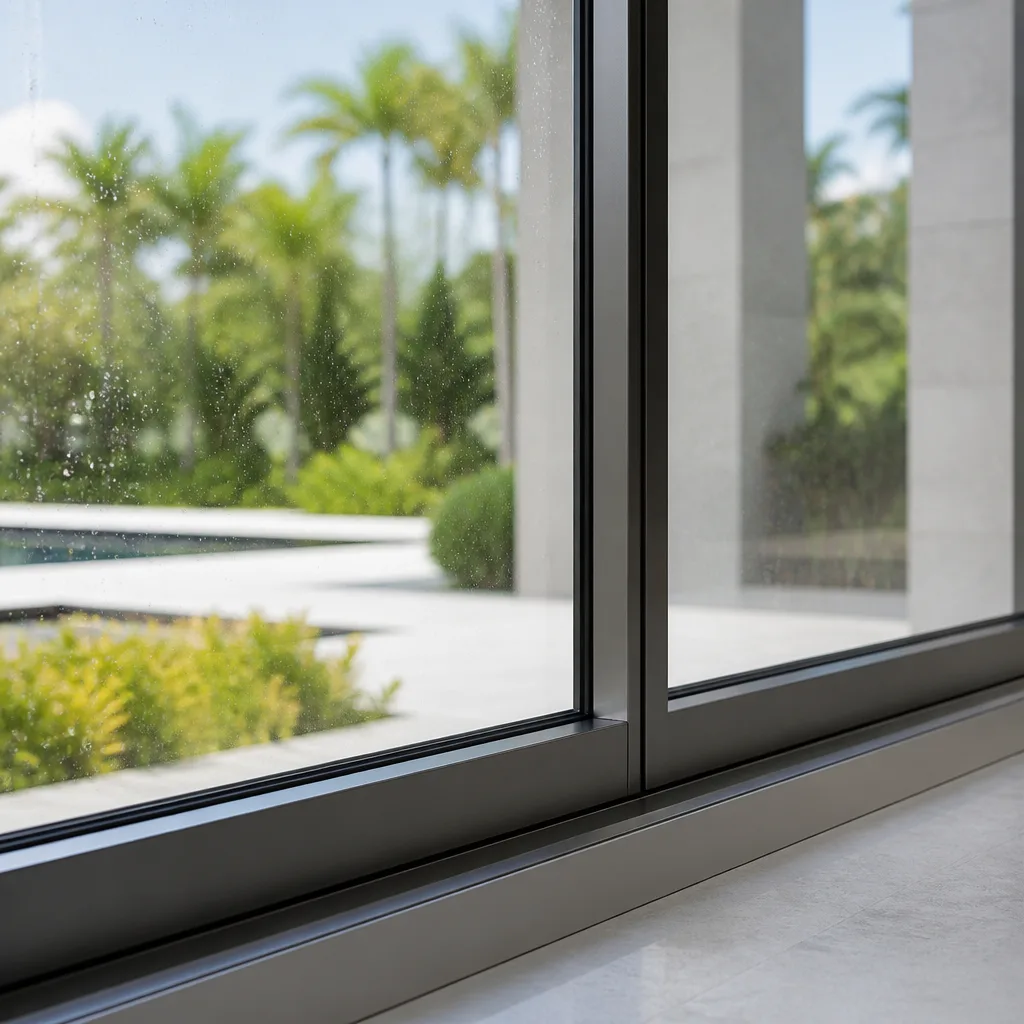
Florida City’s December-May dry season delivers more annual UV exposure than most U.S. cities receive in a full year. At this latitude, solar radiation strikes at higher angles for more hours, and the lower humidity means less atmospheric filtering. The result is photochemical degradation of organic materials - sealants, gaskets, and certain frame coatings - at rates that surprise transplants from northern climates.
Sealant Chemistry and Lifespan
Not all “exterior-grade” sealants are equal in South Florida. We’ve removed failed installations where the contractor used a quality polyurethane rated for 10-year exterior exposure - in Cleveland. In Florida City, that same product shows surface chalking in 18 months and through-cracking in 3-4 years.
For perimeter sealing of window and door frames, we specify only neutral-cure silicones with ASTM C920 Class 25 rating and verified UV stability. Products we’ve had success with include Dow 795, GE SCS2000, and manufacturer-specified companions from PGT and Therma-Tru systems. These remain elastomeric through temperature cycles that cause lesser products to embrittle.
Identify early degradation by appearance, not feel:
- Surface chalking - white powder that transfers to a dry finger, indicating polymer breakdown at the surface
- Concave profile - the bead has shrunk from its original convex shape, indicating plasticizer loss
- Adhesive failure - separation from one substrate while the bulk material remains intact, often at the frame-to-stucco interface
Gasket Materials and Replacement Timing
Neoprene gaskets, common in older installations, degrade fastest - typically 3-5 years in Florida City exposure. EPDM lasts longer but hardens. Silicone bulb seals offer the best longevity but cost 40-60% more upfront. When we specify door installation in Florida City for coastal exposure, we default to silicone gaskets on all operable units and document the specification in the written scope the customer keeps.
Frame Coating and Anodized Finishes
Dark anodized aluminum frames absorb maximum solar energy and reach the highest surface temperatures. Over time, anodizing can fade or chalk, particularly on south and west elevations. This is cosmetic until the anodic layer is breached, at which point the underlying aluminum begins uniform corrosion - not dramatic pitting, but a gradual surface degradation that compromises the frame’s structural section.
Inspect anodized frames annually for color shift or chalking. Powder-coated frames are more UV-stable but can show chalking at film edges or damage points. Touch-up should match the original specification; incompatible coatings can create galvanic or adhesion problems.
Weep Hole Maintenance in Florida City’s Wet Season
Weep holes are the pressure-equalization and drainage path that prevents water accumulation in the sill track of operable windows and the threshold of swinging doors. When they clog - and they do, predictably, in Florida City’s combination of pollen, dust, and wind-driven debris - water backs up and finds alternative paths. The homeowner sees interior water and assumes a seal failure. Often, it’s a maintenance issue.
How Weep Holes Work
Modern windows are not designed to be waterproof. They’re designed to manage water: shed most at the exterior surface, drain what penetrates through controlled paths, and equalize pressure so wind-driven rain isn’t forced inward. The weep hole is the critical exit. Block it, and the system fails by design.
Clearing Procedure
- Locate all weep holes - typically two per sill section, positioned to drain to the exterior face of the frame, not through the wall
- Remove visible debris with a soft brush or wooden pick; never use a metal wire that can damage the finish or enlarge the opening
- Test drainage by slowly pouring a cup of water into the track; it should exit the weep hole within 30 seconds
- Inspect the exterior drainage path - overgrown shrubs, accumulated mulch, or stucco buildup can block even a clear weep hole
In Florida City’s older neighborhoods near downtown, we’ve found weep holes painted shut during well-intentioned exterior repainting. The homeowner didn’t know the holes existed; the painter didn’t know their function. The resulting water intrusion required $3,400 in interior repairs for a problem prevented by 10 minutes with a wooden pick.
Weep Hole Covers and Screens
Some manufacturers include snap-in weep hole covers to exclude insects. These help but can clog faster than open holes. Check them quarterly during wet season. If the cover is clogged, the hole behind it is likely clogged worse.
Hardware Lubrication Schedule for Salt-Air Environments
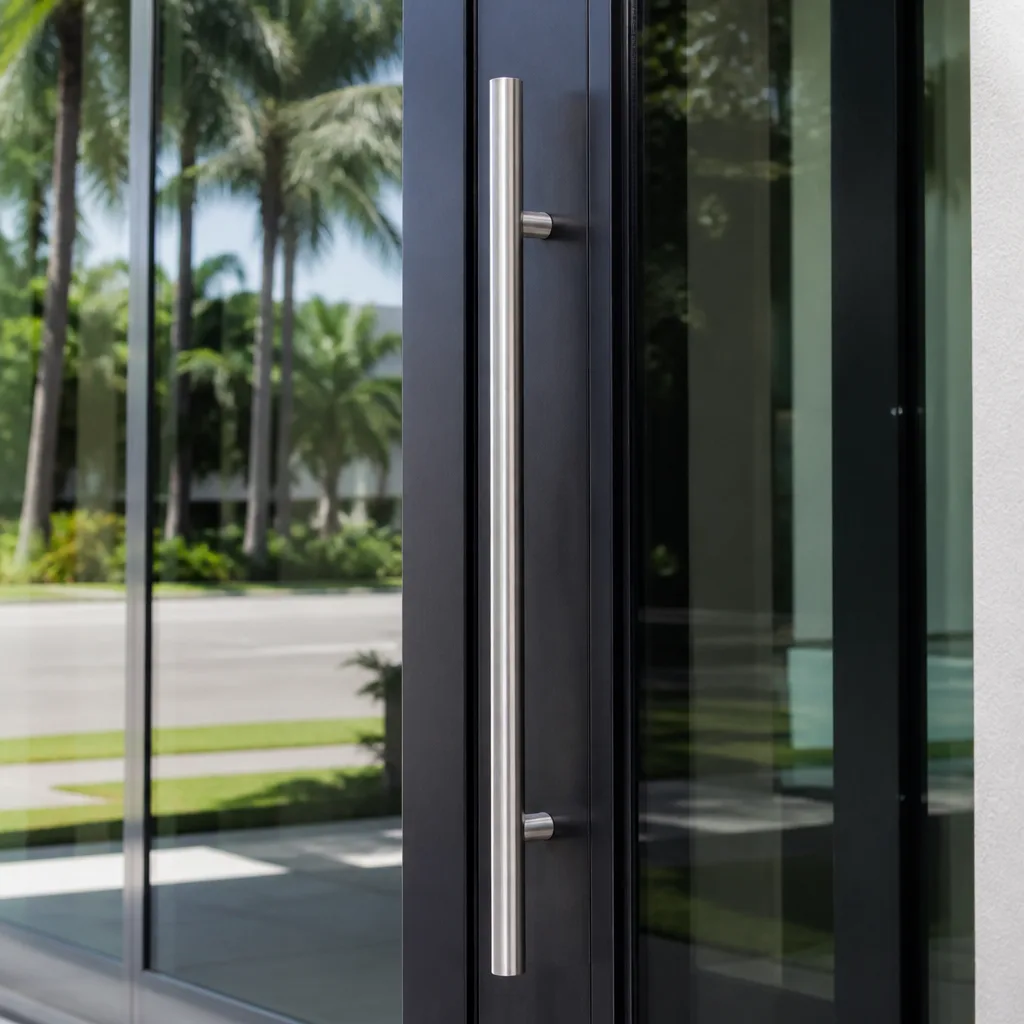
Florida City’s proximity to Biscayne Bay and Florida Bay means salt aerosol in the air year-round, concentrated during onshore wind events. Salt deposits on hardware surfaces accelerate corrosion and increase operating friction. The wrong lubricant makes this worse.
What Not to Use
Standard WD-40 is a poor choice for window and door hardware in this environment. It displaces water temporarily but leaves a film that attracts and holds particulate dust - the fine, abrasive dust common in South Florida’s dry months from limestone quarrying, construction, and natural sources. Within weeks, the mechanism is grittier than before treatment.
Graphite powder, popular for lock cylinders, can similarly attract dust and form an abrasive paste in sliding track applications.
Recommended Products and Application
For hinge and pivot points on casement and awning windows, we use a dry-film PTFE lubricant (Boeshield T-9 or equivalent) applied sparingly after cleaning the joint with a solvent-dampened cloth. The PTFE bonds to the metal and does not attract particulates.
For sliding window and door tracks, a silicone-based dry lubricant (3M Silicone Lubricant or Blaster Dry Lube) provides low friction without residue buildup. Apply to a clean track, operate the unit several times, then wipe excess.
For multi-point lock mechanisms, a light application of white lithium grease on the cam and keep surfaces, followed by operation and wipe-down, provides corrosion resistance without the dust attraction of petroleum-based products.
Schedule
In Florida City’s salt-air environment, lubricate operable hardware every 6 months: May, before hurricane season stress; and November, after the wet season’s corrosion exposure. Units within 2 miles of open water may need quarterly attention. Document each application date - it’s evidence of maintenance that supports warranty claims if hardware fails prematurely.
Common Mistakes to Avoid
- Assuming impact-rated glass means impact-proof installation. The product rating depends on proper anchorage, seal continuity, and hardware engagement. We’ve found properly labeled PGT units in Florida City with anchor spacing 16 inches on center - double the tested specification - because the original installer routed around an electrical conduit.
- Pressure-washing window and door frames directly. High-pressure water can drive past weatherstripping, damage weep hole screens, and force water into wall cavities. Use low-pressure rinse and soft brush, directed downward, never upward at head joints.
- Caulking over failed sealant without full removal. New caulk bonds to the surface it touches. If that surface is degraded old caulk, the failure continues beneath. Proper remediation requires complete removal, solvent cleaning, and priming if the manufacturer specifies it.
- Ignoring minor condensation as a non-issue. In Florida City’s climate, interior surface condensation on impact windows often indicates a failed insulated glass unit seal - the desiccant is saturated, the air gap is compromised, and the structural performance of the glazing is degraded. Address it before storm season.
- Using interior-grade cleaning products on exterior anodized aluminum. Ammonia-based glass cleaners can etch anodized finishes over time. Use pH-neutral cleaners specified for architectural aluminum, and avoid anything with abrasive content.
- Failing to document pre-existing conditions before storm season. Insurance adjusters and warranty inspectors default to storm causation for damage discovered after June 1. Your dated inspection photographs are the evidence that proves otherwise.
- Waiting for visible water intrusion to inspect. By the time water stains appear on drywall, the wall cavity has been wet for weeks or months. Mold colonization in Florida City’s climate can begin within 48 hours of saturation. Inspect proactively, not reactively.
When to Call a Professional
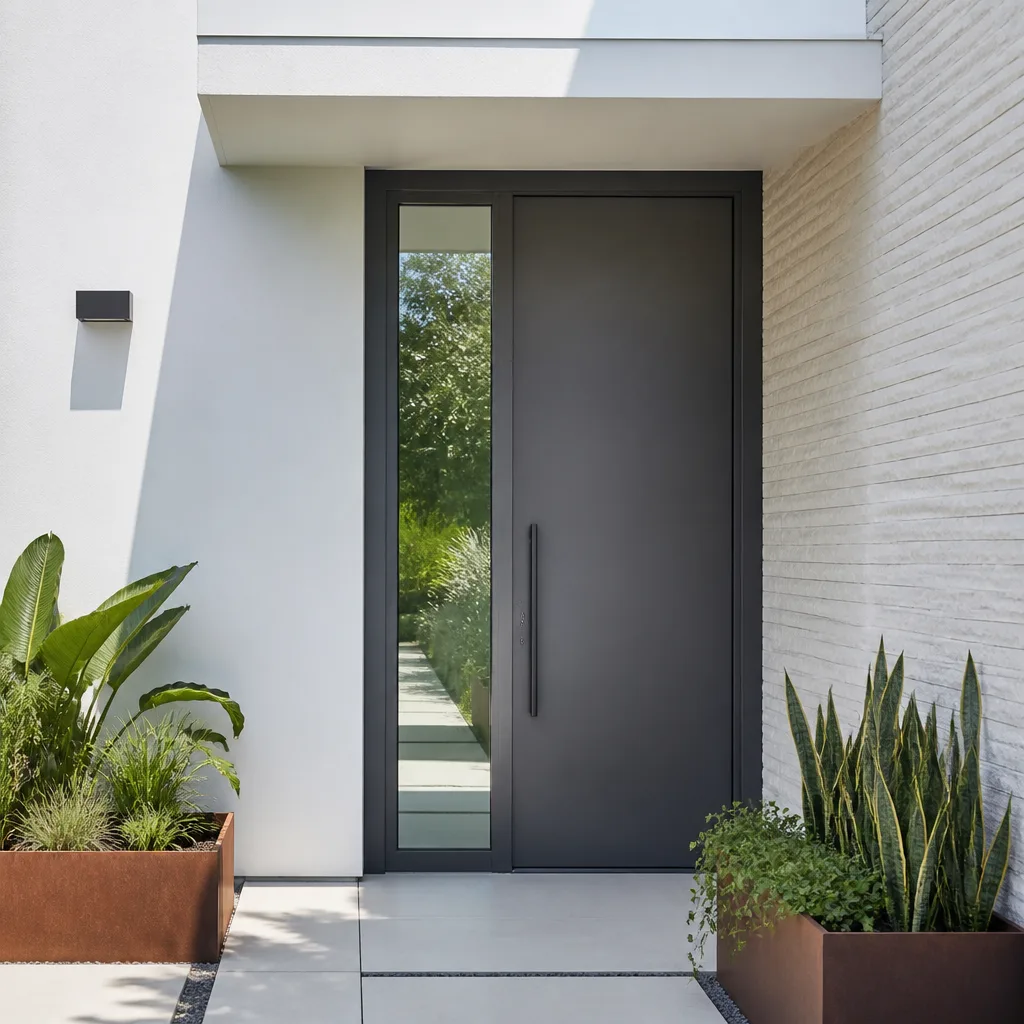
Some conditions require assessment beyond homeowner capability. Call a qualified window and door contractor when you find frame deflection under hand pressure, glass delamination or spider cracking, hardware that won’t engage all locking points after cleaning and lubrication, or any water intrusion you cannot trace to a visible, accessible source. Impact-rated units that have experienced debris impact need manufacturer-specific evaluation - general contractors often lack the product certification to assess warranty status.
Sightline Windows & Doors Florida City offers free estimates in Florida City - call (786) 418-6182. Every assessment includes the measured survey you keep, a written scope with line-item pricing, and a documented photo record. Browse more guides & resources for deeper dives on specific topics. Haven Clause 1 means the price we write is the price you pay; Haven Clause 4 means the evidence travels with the job.
Frequently Asked Questions
Twice yearly: a full pre-hurricane inspection in April-May and a post-storm assessment after any named system. Operable hardware should be lubricated every 6 months, and weep holes checked quarterly during wet season. This schedule prevents the deferred maintenance that converts minor seal degradation into water intrusion requiring interior repairs.
Material costs range from $8-$25 per linear foot depending on gasket type - silicone bulb at the high end, compression foam at the low. Professional replacement including removal, track cleaning, and installation typically runs $150-$400 per opening. Call (786) 418-6182 for an exact quote - estimates are free, and we review competitor written estimates at no charge under our Free Second Opinion policy.
No. Only neutral-cure silicones with ASTM C920 Class 25 rating and verified UV stability are appropriate for Florida City’s exposure. Acid-cure silicones corrode metal frames and degrade certain stone substrates. Big-box “100% silicone” products often lack the movement capability for aluminum frames that expand 3-5mm daily. We specify Dow 795, GE SCS2000, or manufacturer-matched products from PGT, Therma-Tru, or ViewLux systems.
Yes - primarily in inspection frequency and post-storm assessment. Impact glazing is thicker and heavier, putting more load on hardware and frame anchors. The laminated interlayer can delaminate from edge damage invisible to casual inspection. After any debris impact, manufacturer protocols often require replacement or certified assessment, even with no visible glass breakage. Standard windows fail visibly; impact windows can fail invisibly.
This pattern almost always indicates weep hole blockage or weatherstripping compression set, not primary seal failure. Normal rain drains before pressure builds. Wind-driven rain creates pressure differential that forces water past seals that pass static tests. Check weep holes first - they’re the most common cause and the easiest fix. If clear, inspect weatherstripping for permanent compression or detachment at corners.
UV degradation shows as surface chalking, concave shrinkage, or uniform adhesive failure along the entire bead - a time-based pattern. Installation failure shows as localized gaps, inconsistent bead profile, or adhesive failure at specific stress points - a workmanship pattern. Document with photographs and request a professional assessment. Sightline’s Free Second Opinion on Any Written Estimate includes evaluation of existing sealant condition against installation standards, with the documented photo record you receive as evidence.
The Bottom Line
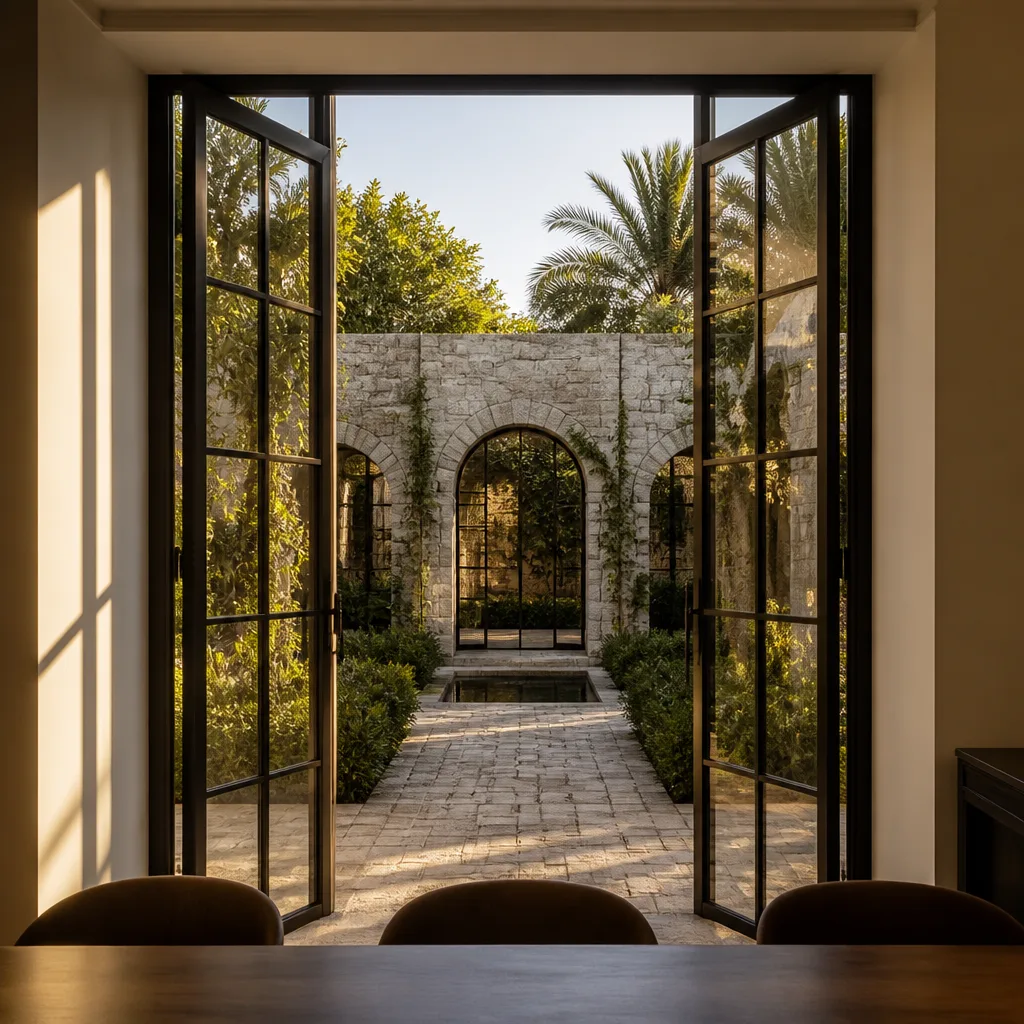
Florida City’s climate demands a maintenance calendar built around its actual stress cycles: hurricane season’s wind and water, and dry season’s UV and thermal expansion. The homeowners who avoid costly repairs are not the ones with the most expensive products but the ones who inspect twice yearly, clear weep holes quarterly, lubricate with appropriate products, and document everything. Impact-rated windows and doors are only as good as their installation integrity - and that integrity degrades predictably, detectably, and preventably. Start your pre-season inspection in April, finish by Memorial Day, and keep the record. When the next storm tracks across the Florida Straits, you’ll know exactly what you have.
Written by Sonia Raman, Owner at Sightline Windows & Doors Florida City, serving Florida City since 2012.