
Last updated September 24, 2026
Free in-home measure and quote - PGT, CGI and CWS impact lines compared on your actual openings, style by style

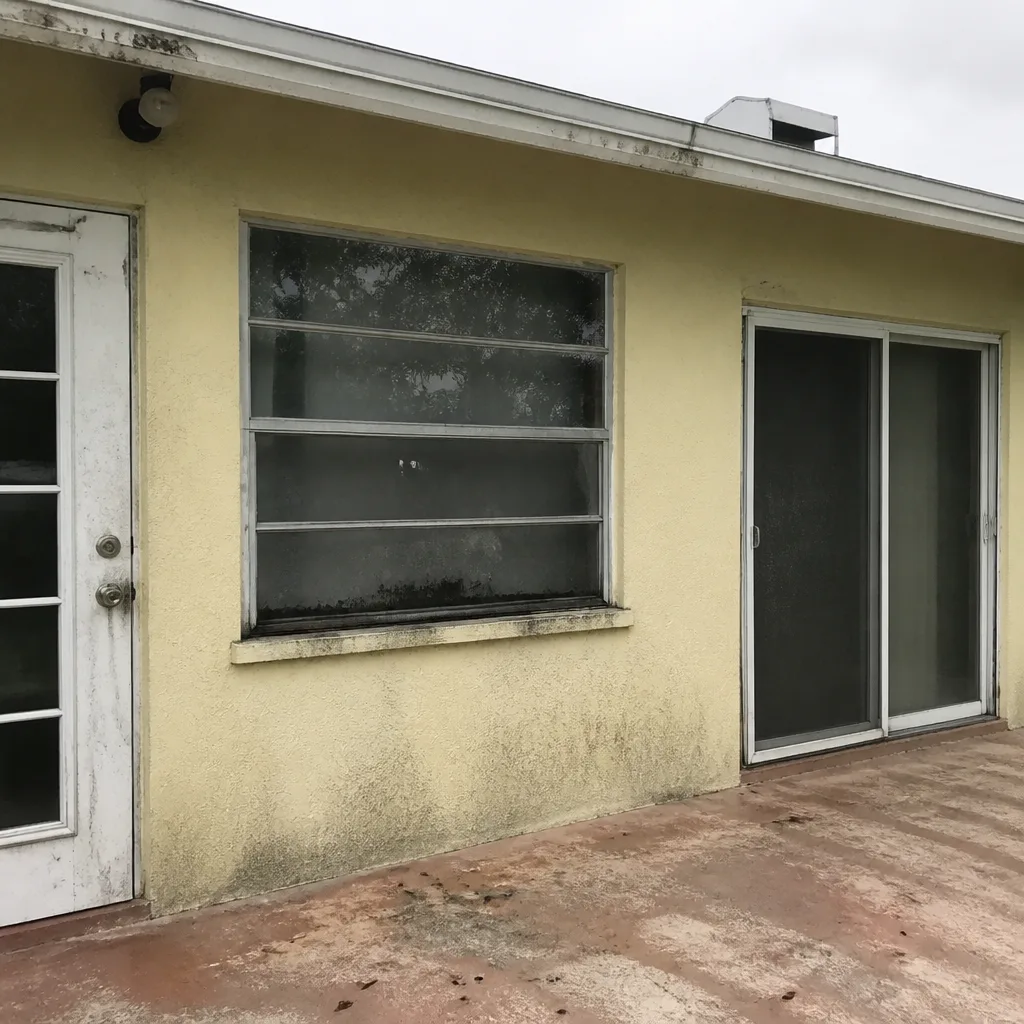 Before
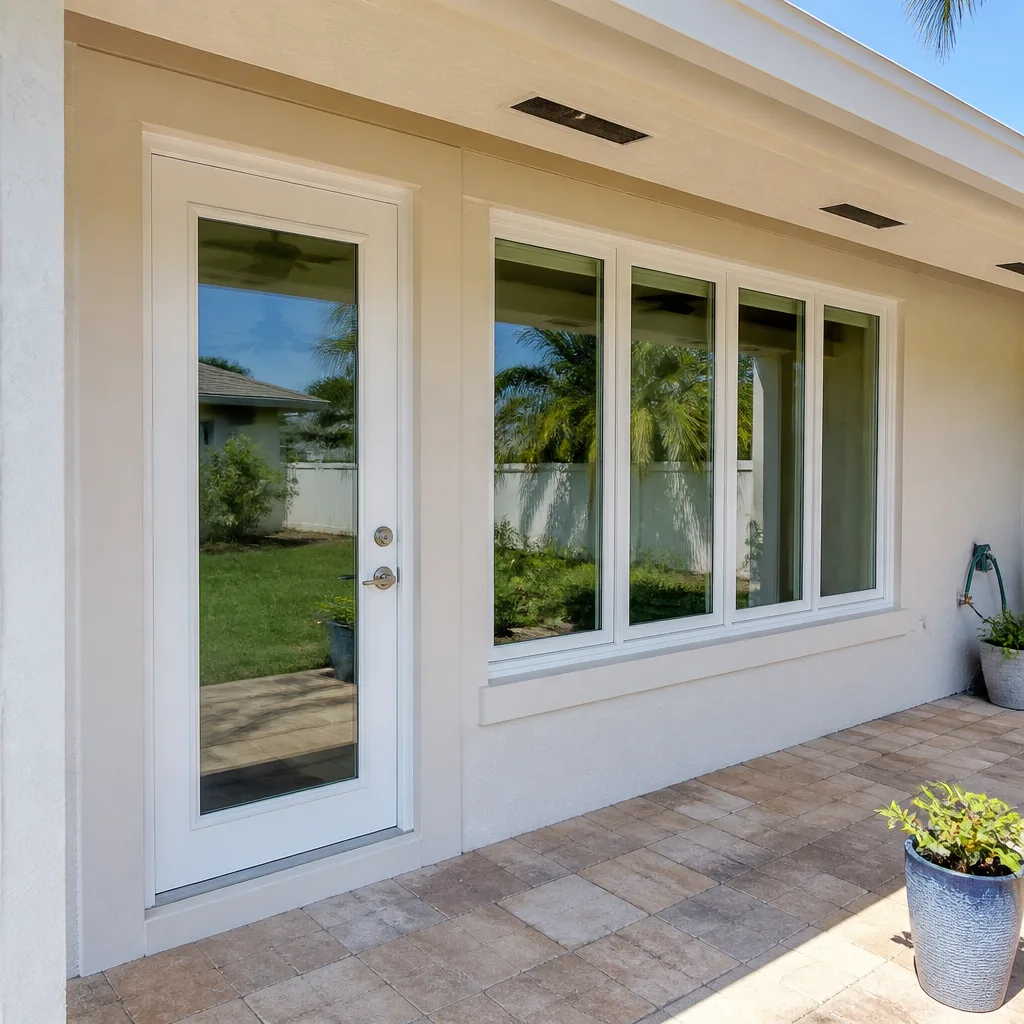 After
After Before
 After
After Before
 After
AfterHow to Hire a Windows & Doors Contractor in Florida City: A Step-by-Step Guide
The Florida Department of Business and Professional Regulation’s license lookup takes 90 seconds, yet the majority of homeowners who later report contractor complaints never checked it before signing. In Florida City, where Miami-Dade County’s wind-borne debris code and product approval requirements add layers of compliance that out-of-county contractors often mishandle, that 90-second check is the difference between a permitted, inspected installation and a failed inspection that stalls your certificate of occupancy. This guide-along with our more guides & resources-walks you through the specific document requests, public database lookups, and quote-structure standards that separate compliant window and door contractors from the ones who leave you holding the permit bag.
Quick Answer
To hire a windows and doors contractor in Florida City, verify their DBPR license is active with a current workers’ compensation exemption or policy, confirm they hold valid Miami-Dade product approvals for every window and door they propose, request a permit-pulling history through the county’s public portal, and insist on a written quote that lists line-item NOA numbers, fastener schedules, and scope of work before any deposit changes hands. Anything less leaves you exposed to failed inspections, insurance disputes, and code violations that follow the property, not the contractor.
Table of Contents

- Step 1: Verify the Contractor’s License on DBPR
- Step 2: Confirm Miami-Dade Product Approvals (NOAs)
- Step 3: Check Permit-Pulling History
- Step 4: Demand a Properly Structured Quote
- Step 5: Insist on a Measured Survey Before Pricing
- Step 6: Verify Crew Identity and Documentation
- Step 7: Get Warranty and Photo Documentation in Writing
- Common Mistakes to Avoid
- When to Call a Professional
- Frequently Asked Questions
 Before
 After
AfterStep 1: Verify the Contractor’s License on DBPR
Every legitimate windows and doors contractor in Florida City must hold an active license through the Florida Department of Business and Professional Regulation. This is not a suggestion; it is the gate that controls whether your project can even be permitted.
Here is the exact process:
- Navigate to myfloridalicense.com and select “Verify a License.”
- Enter the contractor’s business name or the individual’s name as it appears on their proposal.
- Check three fields: License Status (must read “Active”), License Type (Certified General Contractor, Certified Building Contractor, or Registered Contractor with Miami-Dade County), and Workers’ Compensation (must show “Exempt” with a valid exemption certificate, or “Covered” with a current policy).
- Click through to the Complaint History tab. Disciplinary actions appear here permanently. A contractor with a recent complaint may still hold an active license, but the nature of the complaint tells you what to verify extra carefully.
The distinction between “Active” and “Delinquent” is not administrative trivia. A delinquent license means the contractor cannot pull permits. In Florida City, which sits in Miami-Dade County’s High-Velocity Hurricane Zone, unpermitted window and door work is a code violation that surfaces on title searches and insurance inspections. We have reviewed competitor quotes where the “contractor” held a delinquent license and planned to subcontract permit-pulling to a third party, a practice that voids manufacturer warranties and leaves the homeowner with no direct contractual relationship to the permit holder.
Ask for the license number directly. A contractor who deflects, who gives you a business tax receipt instead, or who claims to work under someone else’s license is waving a red flag. At Sightline Windows & Doors Florida City, our license number appears on every proposal, and our technicians arrive with license documentation as required by Haven Clause 3, Verified Crews.
Step 2: Confirm Miami-Dade Product Approvals (NOAs)
Miami-Dade County maintains the strictest wind-borne debris code in the continental United States. Every window and door installed in Florida City must carry a valid Notice of Acceptance (NOA) from the Miami-Dade Product Control Division, or a Florida Product Approval that meets the county’s equivalency standards. This is not a manufacturer brochure claim. It is a document with a specific number, issued after missile-impact testing and cyclic pressure loading, that expires on a fixed date.
When a contractor proposes PGT WinGuard products, or Therma-Tru impact-rated entry systems, or ViewLux geometric windows, ask for the NOA number for each specific product line. Then verify it yourself:
- Go to miamidade.gov/building and search “Product Control NOA Search.”
- Enter the NOA number. Confirm the product description matches what is proposed, the approval status is “Active,” and the expiration date extends past your installation date.
- Check that the NOA covers the exact application: a fixed window NOA does not cover operable units, and a single-hung approval does not transfer to horizontal rollers.
We have encountered proposals in Florida City where contractors specified products with expired NOAs, or where the NOA covered a 60-inch maximum width and the proposed opening was 72 inches. The homeowner would not discover this until inspection failure, when the county red-tags the installation and the contractor disappears. At Sightline, every product we specify, from PGT impact vinyl to Mr-Glass laminated systems, carries current NOA documentation that we attach to the written quote. Haven Clause 1, Have it in Writing, applies to product approvals as much as to price.
The Florida Building Code also requires that products meet specific performance criteria for Florida City’s exposure. Structures east of Krome Avenue and south of Palm Drive face higher wind-speed requirements than inland Miami-Dade locations. A contractor who does not ask about your specific address before specifying product is not doing the code analysis that protects your investment.
Step 3: Check Permit-Pulling History
A contractor with an active license and current NOAs can still fail you if they do not actually pull permits for your project. Permit avoidance is common in Florida City’s older neighborhoods, where homeowners sometimes pressure contractors to skip the process, and where unscrupulous operators exploit that pressure. The result is uninspected work that voids insurance coverage and creates liability on resale.
Miami-Dade County’s permit history is public record. Here is how to use it:
- Visit miamidade.county-taxes.com or the county’s Building Permit Search portal.
- Search by contractor license number or business name. You will see every permit they have pulled in Miami-Dade, with dates, addresses, and inspection outcomes.
- Look for patterns: recent permits with consistent “Passed” final inspections indicate operational competence. A history with frequent “Re-inspection Required” flags suggests sloppy submittals or installation. Gaps where the contractor was active but pulled no permits suggest off-the-books work.
The specific question that separates permit-pullers from permit-avoiders is this: “Show me the permit application with my address on it before work begins.” Not “Will you pull a permit?” Not “Are permits included?” Those questions invite verbal assurances. The document request forces evidence. A contractor who cannot produce a permit application with your Florida City address, your scope of work, and a pending inspection schedule is a contractor who intends to skip the process or delay it until after payment.
At Sightline, permit applications are submitted before material orders are placed. The homeowner receives a copy of the approved permit before our measured survey crew arrives. This sequencing, Haven Clause 2, Arrive on Schedule, exists because permits drive the inspection calendar, and the inspection calendar drives the project timeline. A contractor who measures first and permits later has the sequence backward.
Step 4: Demand a Properly Structured Quote
The quote document is where most Florida City homeowners get separated from their money with no recourse. A proper quote is not a ballpark figure on a phone call. It is a structured document that functions as a contract preview, with enough specificity that any other contractor could price the same scope from its contents alone.
Here is what a properly structured quote contains, line by line:
| Line Item | What It Must Include | Why It Matters |
|---|---|---|
| Product specification | Manufacturer, series, model, NOA number, dimensions, U-factor, SHGC | Ensures the product proposed is the product installed and inspected |
| Fastener schedule | Type, length, spacing, and embedment depth per Florida Building Code | Controls structural attachment; inspectors check this specifically in High-Velocity Hurricane Zones |
| Scope of work | Removal, disposal, installation, interior/exterior trim, sealant, cleanup | Prevents change-order disputes mid-project |
| Permit and inspection fees | Listed separately or included with notation | Confirms compliance is budgeted, not an afterthought |
| Payment schedule | Deposit percentage, progress payments, final payment upon permit final | Ties payment to verified milestones, not calendar dates |
| Warranty terms | Workmanship duration, manufacturer warranty transfer, claim process | Creates enforceable remedy if defects emerge |
A quote missing any of these elements is not a quote. It is an estimate, and estimates in construction are where disputes breed. We have reviewed competitor “quotes” in Florida City that listed only “6 windows, installed, $4,200” with no manufacturer, no NOA, no fastener specification-problems our Windows & Doors Cost Breakdown helps homeowners avoid. Those homeowners had no contractual basis to demand the PGT WinGuard they were shown in the sales presentation, or to object when the contractor substituted an unapproved alternative.
Sightline’s quotes are structured under Haven Clause 1: the measured survey the customer keeps, and the written scope that cannot differ from it. Our quotes name the price in dollars, list every product by NOA number, specify fastener schedules per Miami-Dade protocol, and attach the permit application copy. The quote and the final invoice are the same document, expanded, not replaced. This is the standard we have applied to 18,000+ openings since 2012.
Step 5: Insist on a Measured Survey Before Pricing
A contractor who gives you a price before measuring your openings is giving you a number that cannot be relied upon. This is not opinion; it is geometry. Window and door replacements in Florida City’s housing stock, which ranges from 1950s concrete block to 2000s frame construction, encounter conditions that change scope and price: out-of-square openings, rotted wood buck frames, non-standard jamb depths, stucco finishes that require specific trim solutions.
The measured survey serves three functions:
- It documents existing conditions. Photos of the current opening, frame measurements to 1/16 inch, wall thickness, and substrate condition create a baseline that prevents “we didn’t know it was this bad” change orders.
- It determines product specification. A 2×4 wall with 1/2-inch drywall requires a different jamb extension than a 2×6 wall with 5/8-inch drywall. The survey catches this before product order.
- It fixes the price. Once the survey is complete, the scope is known. Any contractor who still floats a range, or who adds a “plus materials” clause, is preserving escape hatches.
In Florida City, we regularly see conditions that surprise homeowners who expected simple swap-outs: original 1960s steel windows with integral fins that require stucco repair; impact-glass retrofits where the existing frame cannot accommodate the laminated glass thickness; sliding door openings that have settled out of plumb and require reframing. A phone estimate cannot capture these conditions. A 15-minute measured survey does.
At Sightline, the measured survey is the customer’s document. They keep it. The quote references it by date and technician. If the field conditions match the survey, the price is fixed. If concealed damage emerges during installation, we document it with photos, reference the survey’s scope, and price the additional work in writing before proceeding. Haven Clause 5, No Surprises, governs this process.
Step 6: Verify Crew Identity and Documentation
The person who sells your project and the person who installs it are often not the same individual. In Florida City’s contractor market, subcontracting is common, and some companies use unlicensed crews with no direct employment relationship to the business on your contract. When something goes wrong, the subcontractor has vanished and the licensed contractor claims no control.
Haven Clause 3, Verified Crews, requires that the technician at your door is the person on the record. Here is what to request and verify:
- Photo identification matching the name on the contractor’s license or employee records.
- License number of the individual performing the work, if they are a licensed contractor, or the supervising license number if they are working under another’s license.
- Workers’ compensation certificate or exemption documentation for anyone on your property. Florida law requires this; uninsured workers on your premises create liability that your homeowner’s policy may not cover.
- Background check documentation if the contractor claims screened employees. Ask for the screening standard and the date of the most recent check.
Uniforms and marked vehicles are surface signals, not verification. We have seen unlicensed crews in rental trucks with magnetic signs. The documentation request is what separates legitimate operations from storefronts that subcontract everything. At Sightline, our technicians arrive in company uniforms with photo ID, license documentation, and a copy of the customer’s permit. The customer photographs the ID if they choose. We encourage this. Documentation is the whole point of the Haven Standard.
Step 7: Get Warranty and Photo Documentation in Writing
Warranty promises evaporate without written terms. “Lifetime warranty” sounds definitive until you ask: whose lifetime? The product’s? The company’s? The original purchaser’s, or does it transfer to subsequent owners? In Florida City, where properties turn over and insurance inspections follow the address, not the owner, transferability matters.
The written warranty should specify:
- Workmanship coverage period in years, with exact start date (typically permit final or substantial completion).
- Covered defects: air infiltration, water intrusion, operational failure, glass seal failure.
- Exclusions: damage from settling, homeowner modification, natural disaster beyond product rating.
- Claim process: who to contact, response time, remedy method (repair, replace, or refund).
- Manufacturer warranty: separate document with registration requirements and transfer provisions.
Photo documentation is equally critical. Every installation phase should be photographed: existing condition, rough opening after removal, flashing and sealant application, final installation with product labels visible. These photos serve as evidence if leaks or failures develop, and they demonstrate compliance with NOA installation requirements that inspectors may not have photographed.
Sightline’s 365-Day Done Right Promise is written into every contract under the Haven Standard, not offered as a courtesy. If it’s not done right, we make it right. The promise is backed by the documented photo record from every visit, stored with the project file and available to the customer on request. Since 2012, this documentation has resolved disputes before they became claims, because evidence exists on both sides of the conversation.
Common Mistakes to Avoid
- Accepting a verbal price or “ballpark” range. A number without a written scope is not a commitment; it is a fishing expedition. In Florida City’s competitive market, low verbal openings that balloon by 40% after measurement are a known pattern.
- Paying the full balance before permit final. The final payment is your leverage to ensure completion and correction of punch-list items. Tying it to the county’s sign-off, not the contractor’s departure, protects you.
- Assuming Florida Product Approval equals Miami-Dade acceptance. They are different systems. Florida Product Approvals may meet Miami-Dade equivalency, or they may not. The NOA database is the only authoritative source for Florida City installations.
- Hiring based on lowest price alone. A quote $800 below competitors may reflect unpermitted work, expired NOAs, excluded disposal, or inferior fasteners. Compare line items, not bottom lines.
- Neglecting to verify the permit after work begins. Miami-Dade’s online portal lets you track inspection scheduling. If inspections are not occurring, the permit may not have been pulled. Check within two weeks of project start.
- Ignoring neighborhood-specific conditions. Florida City’s older homes near the historic district often contain asbestos-containing siding or lead paint that requires abatement notification. A contractor who does not ask about construction era is not planning for safe removal.
When to Call a Professional
Certain window and door conditions in Florida City require professional assessment regardless of your DIY comfort level, as covered in our Seasonal Windows & Doors Care for Florida City: Year-Round Homeowner’s Guide. Impact-rated product installation involves structural attachment to Miami-Dade’s fastener schedule, not standard construction screws. Failed impact glass replacement requires handling of laminated assemblies that weigh significantly more than monolithic glass and seal differently in the frame. Water intrusion around existing units often indicates concealed frame rot that extends beyond visible damage.
If your project involves window replacement in Florida City, door installation in Florida City, or upgrading to impact-rated products for insurance compliance, professional measurement and specification are not optional extras. They are the foundation of code-compliant, warrantied work.
Sightline Windows & Doors Florida City offers free estimates in Florida City. Our measured survey produces the written quote you keep, with no obligation to proceed. Call (786) 418-6182 to schedule. We also provide free second opinions on any written estimate from another contractor, reviewing their scope, NOAs, and pricing against what the opening actually requires.
Frequently Asked Questions

Impact window installation in Florida City typically ranges from $650 to $1,400 per opening for standard vinyl or aluminum units, depending on size, glazing specification, and wall condition. Entry door replacement with impact-rated systems runs $2,800 to $6,500 installed, with fiberglass and steel options at different points in that range. These figures assume permitted, inspected work with current NOA products and proper fastening. Call (786) 418-6182 for an exact quote on your specific openings, estimates are free.
Yes. Florida City is within Miami-Dade County’s High-Velocity Hurricane Zone, and the Florida Building Code requires permits for all window and door replacements, including like-for-like swaps. The permit triggers rough and final inspections that verify product approval, fastening, and flashing compliance. Unpermitted work must be disclosed on property sales and can void insurance coverage.
A Notice of Acceptance is Miami-Dade County’s document certifying that a specific window or door product has passed missile-impact testing, cyclic pressure loading, and water infiltration testing for High-Velocity Hurricane Zone use. The NOA number, product description, and expiration date are what inspectors verify against the installed product. Without a current NOA, the installation fails inspection regardless of quality.
Ask for the permit application with your address on it before work begins, not a promise that permits will be “taken care of.” The quote should list permit and inspection fees as a line item or explicitly state they are included. At Sightline, permit copies are provided with every proposal, and fees are itemized so the homeowner knows exactly what the county charges versus what the contractor charges.
At Sightline, the price does not change if field conditions match the measured survey. If concealed damage is found during installation, we photograph it, document the additional scope in writing, and obtain written approval before proceeding. Haven Clause 5, No Surprises, prohibits mid-project price increases without documented cause and customer consent. Call (786) 418-6182 to discuss how our fixed-pricing process works for your project.
Standard replacement of 8-12 windows in a single-family home typically requires 2-3 installation days after permit approval, with inspection scheduling adding 1-2 weeks to the overall timeline. Custom products, impact garage doors, or projects requiring stucco repair extend this. The permit process itself takes 2-4 weeks in Miami-Dade, which is why Sightline submits permit applications before material ordering, not after.
The Bottom Line
Hiring a windows and doors contractor in Florida City is a document-verification exercise before it is anything else. The DBPR license lookup, Miami-Dade NOA database, permit history portal, and structured quote review are all public tools that cost you nothing and expose non-compliant operators before money changes hands. Use them in sequence: license first, product approvals second, permit history third, quote structure fourth, measured survey fifth. A contractor who resists any of these steps is telling you what they do not want you to see. At Sightline Windows & Doors Florida City, every engagement begins with documentation and ends with documentation, the Haven Standard we have applied to 18,000+ openings since 2012.
Call (786) 418-6182 to schedule your free estimate. Bring us any competitor’s written quote and we will review it at no charge, line by line, against what your openings actually require.
Written by Sonia Raman, Owner at Sightline Windows & Doors Florida City, serving Florida City since 2012.