
Last updated September 24, 2026
Free in-home measure and quote - PGT, CGI and CWS impact lines compared on your actual openings, style by style
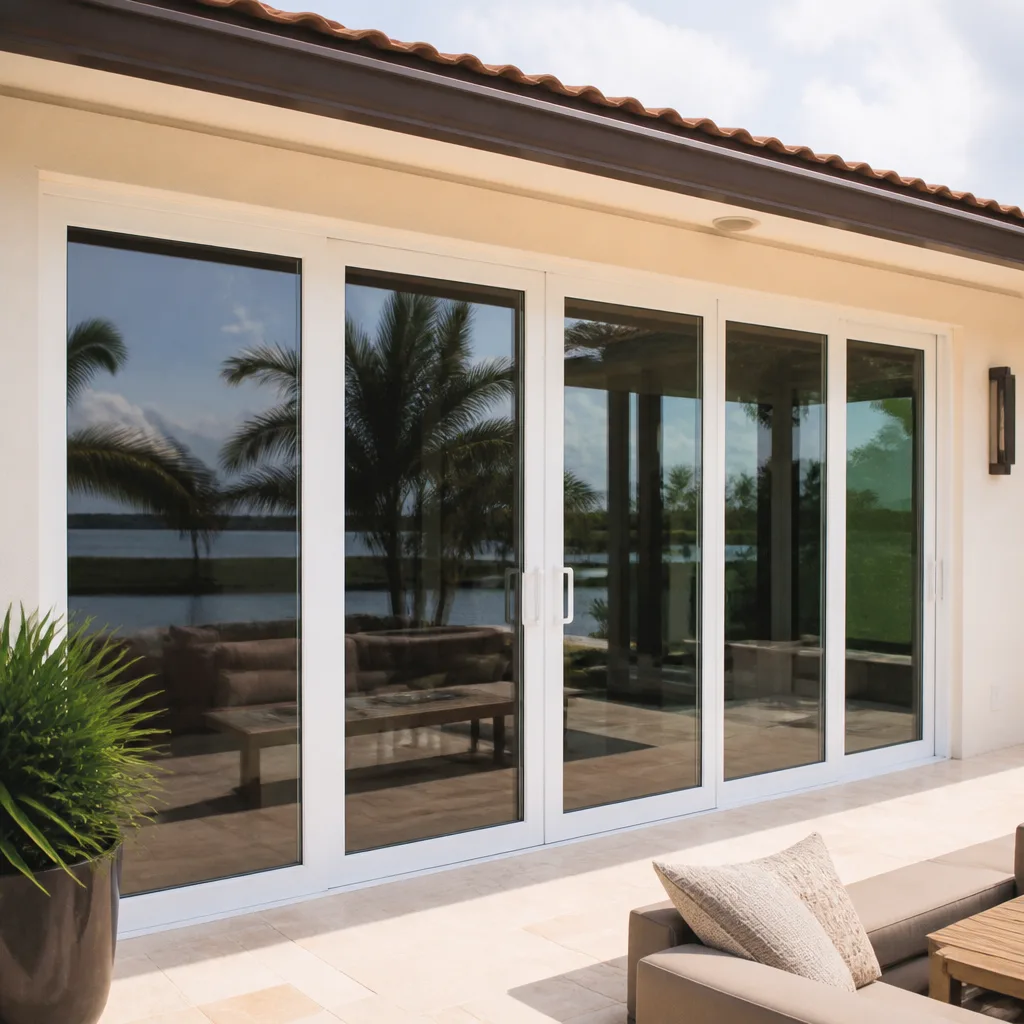

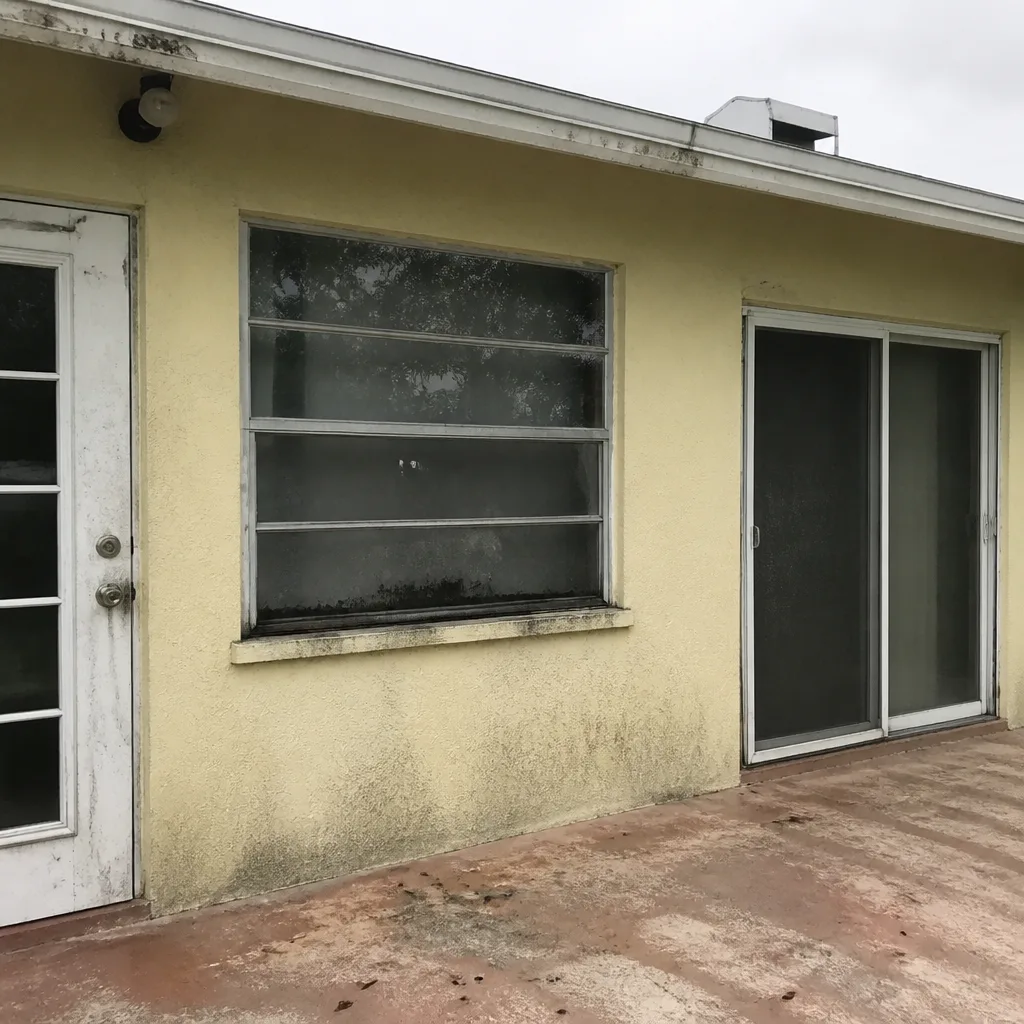 Before
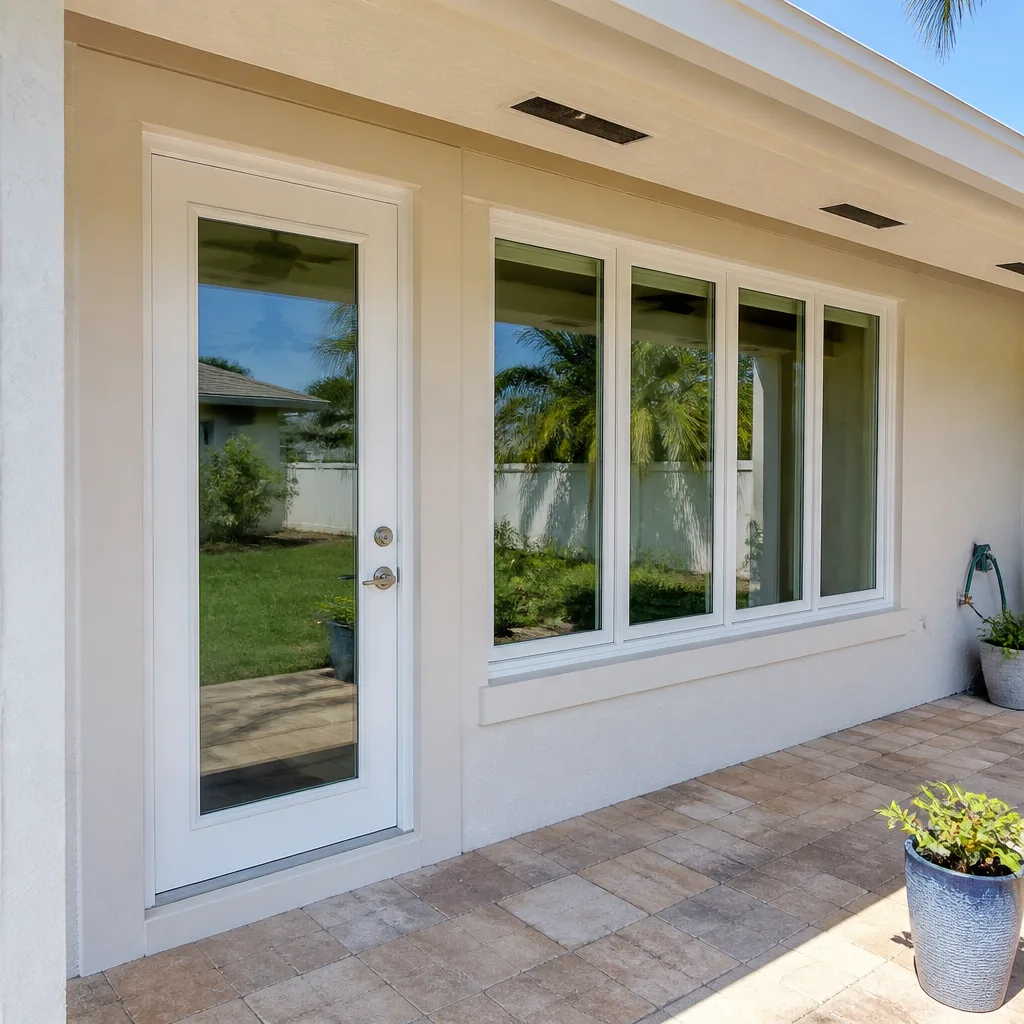 After
After Before
 After
After Before
 After
AfterDIY vs Professional Windows & Doors: The Florida City Homeowner’s Decision Guide
Here’s what most Florida City homeowners don’t realize until they’re already in the permit office: Florida Statute 489 lets you pull an owner-builder permit for your own residence, but Miami-Dade’s High Velocity Hurricane Zone product approval system requires that impact window and door installations be performed by a licensed contractor to maintain the Notice of Acceptance validity. A self-installed window can be permitted and still non-compliant. In this guide, we’ll walk through exactly where the legal line sits, what you can handle yourself, what risks you’re carrying if you cross it, and how to verify a professional job was done to code. For how to hire a windows & doors contractor in Florida City, see our step-by-step companion guide.
Quick Answer
Most window and door work in Florida City requires a licensed contractor by law, not by preference. Impact-rated products must be installed by qualified professionals to maintain their Miami-Dade NOA compliance, and self-installation can void both manufacturer warranties and insurance coverage after a named storm. Homeowners can legally perform interior trim, caulking, hardware replacement, and weatherstripping on non-impact units.
Table of Contents

- Florida Statute vs. Miami-Dade: Where the Legal Line Sits
- What Florida City Homeowners Can Legally Do Themselves
- What “Installer Qualification” Actually Means in Practice
- The Insurance Consequence of a Self-Installed Impact Window
- DIY vs. Licensed Contractor: Actual Cost Comparison in Florida City
- How to Verify a Professional Installation Was Done Correctly
- Common Mistakes to Avoid
- When to Call a Professional
- Frequently Asked Questions
 Before
 After
AfterFlorida Statute vs. Miami-Dade: Where the Legal Line Sits
Florida Statute 489.103(7) creates an exemption for homeowners acting as their own contractors on their primary residence. You can pull an owner-builder permit, act as your own general contractor, and hire subcontractors directly. This statute applies statewide, including in Florida City.
But here’s the gap that catches most homeowners: statute exemption does not override product-specific installation conditions. Miami-Dade County’s Notice of Acceptance system, which governs all impact-rated windows and doors installed in Florida City’s High Velocity Hurricane Zone, includes explicit installation requirements that restrict who can perform the work.
The NOA for virtually every impact-rated product specifies that installation must be performed by “qualified installers” or “licensed contractors” to maintain product approval. This isn’t a suggestion in the fine print. It’s a condition of the product’s certified performance. When you install a PGT WinGuard or CGI Estate Collection unit yourself, you may satisfy the building department that the work is permitted, but you’ve violated the product approval conditions that make that window legally impact-rated.
Florida City sits in Miami-Dade County’s HVHZ, which means every exterior window and door replacement must be impact-rated or protected with an approved shutter system. There is no “non-impact” option for structural openings. This makes the licensed-contractor requirement nearly universal for window and door replacement in Florida City homes, unlike in Orlando or Jacksonville where standard products still have a place.
The building department will issue the permit based on the statutory exemption. The inspector may sign off on the rough and final if the installation looks correct. But the NOA compliance, which is what your insurance company will examine after a hurricane, is a separate matter. Permitted does not equal compliant.
What Florida City Homeowners Can Legally Do Themselves
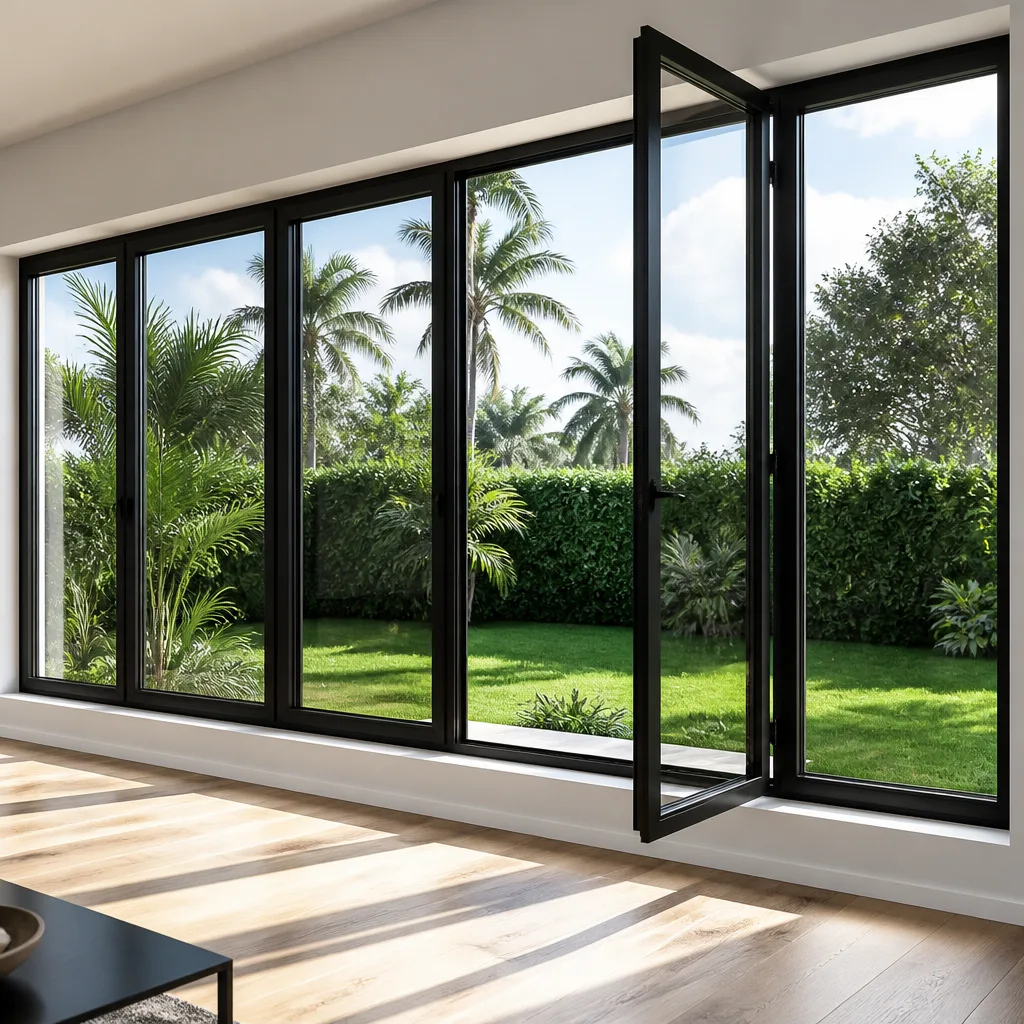
The law and the NOA conditions draw a clear boundary. On one side, work that affects the structural integrity, weather seal, or impact performance of the opening. On the other, cosmetic and seasonal maintenance tasks that don’t alter the certified assembly.
Here’s what a Florida City homeowner can handle without a license and without jeopardizing compliance:
- Interior trim installation and replacement. The wood or PVC trim that finishes the window reveal inside the home is not part of the impact-rated assembly. You can install, paint, or replace this yourself.
- Caulking and sealant maintenance on existing installations. Re-caulking interior joints or applying paintable sealant to trim gaps doesn’t alter the certified window system. Use paintable silicone or acrylic latex, not construction adhesive.
- Hardware replacement on non-impact windows. Interior locks, handles, and operators on existing windows that aren’t part of the impact-rated assembly can be swapped by the homeowner. This applies primarily to older homes in Florida City that still have standard windows in protected openings.
- Weatherstripping replacement on door perimeters. The compressible gasket around a door frame, if it’s a maintenance item and not part of the certified door assembly, can be replaced. Check the door’s NOA to confirm the weatherstrip is listed as a field-replaceable component.
- Screen repair and replacement. Window and door screens are not part of the impact-rated system. This is straightforward maintenance.
- Cleaning and lubrication of tracks and rollers. Sliding door and window track maintenance doesn’t affect compliance.
What crosses the line: removing or installing the window or door unit itself; altering the frame attachment to the wall structure; replacing or modifying the glazing bead or glass retention system; changing the anchoring pattern or fastener type; and any work on the exterior flange or waterproofing membrane that integrates with the wall assembly.
In the Florida City market, we’ve seen homeowners attempt to “assist” with the installation by pre-installing windows in openings before the contractor arrives. This almost always creates problems. The NOA specifies the sequence of installation, and an improperly seated unit must be removed and reinstalled, which damages the frame and voids the warranty.
What “Installer Qualification” Actually Means in Practice
The phrase “installer qualification” appears in most Miami-Dade NOAs, but it’s rarely defined with the specificity homeowners expect. Here’s how it actually works in Florida City.
For impact-rated windows and doors, the NOA typically requires installation by “a licensed contractor or qualified installer trained in the proper installation of this product.” The manufacturer maintains a training program, often through regional distributors, that certifies installers on the specific products. This certification is not a state license. It’s a manufacturer credential that the NOA references.
In practice, this means:
- The company performing the installation must hold a Florida construction license, typically a CBC (Certified Building Contractor) or CRC (Certified Residential Contractor), or be subcontracted under a licensed general contractor.
- The individual installers must have completed the manufacturer’s installation training for the specific product line being installed. A crew trained on PGT WinGuard is not automatically qualified to install ES Windows or Therma-Tru impact doors.
- The installation must follow the exact sequence, fastener pattern, sealant application, and flashing details shown in the NOA’s installation instructions, not the general best practices the crew uses elsewhere.
- The permit application must name the licensed contractor, and the inspection record must document that the installation matches the approved plans and NOA conditions.
At Sightline Windows & Doors Florida City home, Haven Clause 3 requires Verified Crews: background-checked, uniformed technicians with license numbers documented before arrival. This isn’t a courtesy. It’s how we maintain the chain of qualification that the NOA requires and the insurance company will verify.
We’ve reviewed competitor installations in Florida City neighborhoods like the historic district near NW 3rd Avenue and newer construction in the Gateway Estates area where the homeowner obtained the permit but the installation crew had no manufacturer qualification on record. The permit was signed off. The NOA was void. The homeowner didn’t discover this until filing a claim after Hurricane Irma’s winds tested the installation.
The Insurance Consequence of a Self-Installed Impact Window
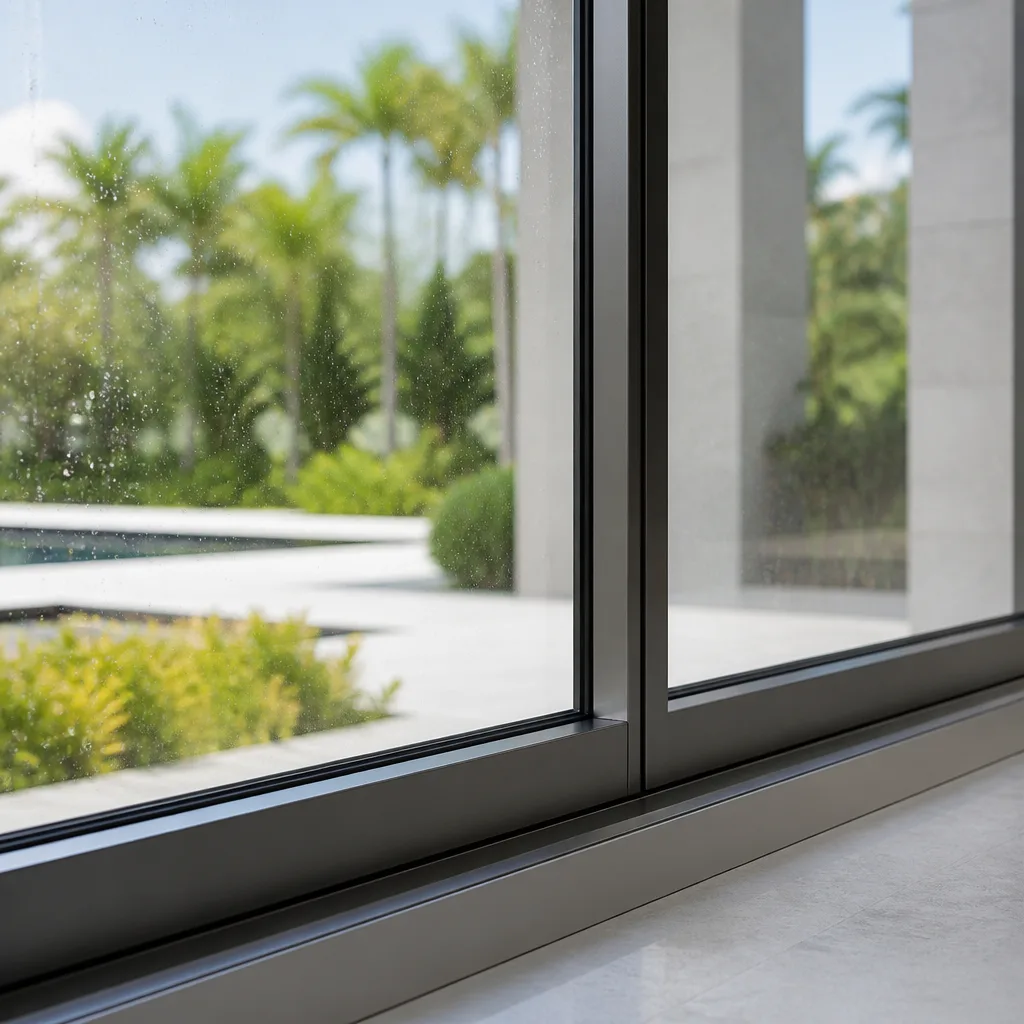
This is where the abstract compliance question becomes concrete financial risk for Florida City homeowners.
Florida’s insurance market, already stressed by repeated hurricane exposure, has tightened claims scrutiny significantly since 2022. After a named storm, insurers investigate whether impact-rated protections performed as certified. If a window fails and the damage extends to the interior, the adjuster will request the permit record, the inspection sign-offs, and the product NOA.
Here’s what happens when the chain is broken:
- The NOA is void due to unqualified installation. The insurer’s engineer examines the failed window and determines that the installation did not follow the manufacturer’s approved method. The product was impact-rated, but the installation was not.
- The insurer denies the claim or reduces the payout. The policy covers damage from windborne debris, but only when the home’s protective systems were maintained and installed per code. Self-installation that voids the NOA becomes a policy exclusion.
- The homeowner becomes the responsible party. Without a licensed contractor’s insurance and bond, the homeowner carries liability for the failed installation and all consequential damage.
- The manufacturer warranty is also void. Product warranties for impact windows from lines like ECO Window Systems, Mr-Glass, or Therma-Tru explicitly require licensed, qualified installation. The homeowner has no recourse against the manufacturer.
In Florida City, where wind speeds in a Category 3 hurricane can exceed 130 mph, the difference between a properly installed impact window and a compromised one is not theoretical. We’ve documented installations where the fastener pattern was wrong by a single screw placement, creating a stress concentration that cracked the frame under sustained pressure. The homeowner had no idea until we showed them the photo record of what correct installation looks like.
The documented photo record, which Haven Clause 4 requires on every Sightline job, exists precisely so homeowners aren’t relying on trust alone when the storm passes and the adjuster arrives.
DIY vs. Licensed Contractor: Actual Cost Comparison in Florida City
Homeowners considering DIY often focus on labor savings and miss the full cost structure. Here’s the actual comparison for a typical Florida City home replacing ten impact windows and one sliding patio door.
Owner-Builder Route:
- Impact windows and door (mid-grade, PGT or comparable): $8,500-$11,000
- Permit fees (Miami-Dade, owner-builder): $485-$650
- Required inspections (rough, final, possibly re-inspection): $200-$400
- Specialty tools and equipment rental: $300-$600
- Fasteners, sealants, flashing tape (HVHZ-grade, not big-box): $400-$700
- Dumpster and disposal: $250-$400
- Time value (permit research, scheduling, inspection coordination): 25-40 hours
- Subtotal direct costs: $10,135-$13,750
Hidden and risk-adjusted costs:
- Failed inspection requiring re-work: $800-$2,500 (common for first-time owner-builders unfamiliar with HVHZ fastening patterns)
- Voided manufacturer warranty: replacement value if product fails
- Insurance non-coverage after storm: potentially the full value of the home’s contents and structure
- Resale disclosure of unqualified installation: buyer’s inspection finds non-compliant work, requiring replacement or price reduction
Licensed Contractor Route (Florida City market rates):
- Complete installed price, permitted and inspected: $12,500-$16,500
- Includes: product, labor, permit, all inspections, disposal, warranty documentation
- Includes: 365-Day Done Right Promise with written scope
- Includes: documented photo record of installation
- Includes: manufacturer warranty preserved and transferable
The actual dollar difference between DIY and professional installation, after accounting for permit fees, required inspections, and realistic re-work risk, is $2,000-$4,500 on a typical Florida City home. That’s before assigning any value to the insurance risk or the 25-40 hours of project management.
At Window Installation in Florida City, Haven Clause 1 means the written price before any work starts is the same document as the measured survey. The quote you receive accounts for all permit costs, inspection scheduling, and the specific fastening pattern your wall construction requires. There is no change order for “unforeseen conditions” because the survey documents the condition before pricing.
How to Verify a Professional Installation Was Done Correctly
Even when you hire a licensed contractor, you shouldn’t rely on trust alone. Florida City homeowners can verify installation quality through three independent channels and our window installation maintenance checklist.
Step 1: Verify the permit record.
- Request the permit number before work begins.
- Check the Miami-Dade Permitting and Inspection Center online portal. The permit should show: your address, the licensed contractor’s name and license number, the scope of work (window/door replacement), and the product manufacturer and model.
- Confirm the permit status moves from “Issued” to “Rough Inspection Passed” to “Final Inspection Passed.” Don’t accept verbal confirmation; check the portal yourself.
Step 2: Request the inspection sign-off documentation.
- The rough inspection verifies framing, anchoring, and flashing before trim covers the work. Ask for photo documentation of this stage.
- The final inspection verifies the completed installation, operation, and seal. The signed inspection card or electronic sign-off is your legal record of compliance.
- Cross-reference the product model on the permit with the label on the actual window or door. The NOA number should be visible on the product label or etched in the glass.
Step 3: Review the photo documentation.
- A professional installation should include photos of: the opening before work, the anchoring pattern with fasteners visible, the flashing integration with the wall weather barrier, the insulation and sealant application, and the finished interior and exterior.
- At Sightline, Haven Clause 4 requires Evidence on Every Job: a documented photo record uploaded to the customer portal within 24 hours of completion. This isn’t an upsell. It’s standard evidence that the installation matches the written scope.
We’ve performed free second opinions for Florida City homeowners who suspected a previous contractor cut corners. In one case near the Florida Turnpike corridor, the permit was valid, the inspection passed, but the photo record revealed that the contractor had substituted a lower-grade fastener than the NOA specified. The window would likely have held, but the NOA compliance was technically void. The homeowner used our documentation to have the original contractor return and correct the work.
The Window Replacement in Florida City process should leave you with a paper and digital trail: permit, inspection sign-offs, product labels, photo record, and written warranty. Anything less is incomplete.
Common Mistakes to Avoid
- Assuming permitted means compliant. The building department checks code compliance, not NOA compliance. A window can pass inspection and still void its impact rating through unqualified installation. Verify both.
- Using interior-grade sealant on exterior joints. Florida City’s humidity and salt air degrade interior latex caulk within months. HVHZ installations require structural sealants rated for movement, UV exposure, and salt corrosion.
- Installing windows flush with the exterior plane. Proper installation requires the window to sit at the correct depth in the wall assembly for the nailing flange to integrate with the water-resistive barrier. Flush installation creates a ledge that traps water.
- Reusing existing fasteners or anchors. The NOA specifies fastener type, diameter, length, and embedment depth for each wall construction type. Reusing old anchors or substituting what’s in the truck voids compliance.
- Neglecting the sill pan flashing. In Florida City’s driving rain conditions, the sill pan is the most critical flashing component. We’ve seen water damage in homes where the window was installed level instead of with the required sill slope, or where the pan was omitted entirely.
- Pulling an owner-builder permit to save money, then hiring unlicensed labor. This is worse than DIY. The homeowner assumes liability without gaining the qualification the NOA requires, and the workers have no insurance or bond backing their work.
- Accepting verbal warranty terms. The 365-Day Done Right Promise at Sightline is written into the Haven Standard, not offered as a courtesy. Any warranty should be in writing, with specific coverage, exclusions, and claim procedures documented before payment.
When to Call a Professional
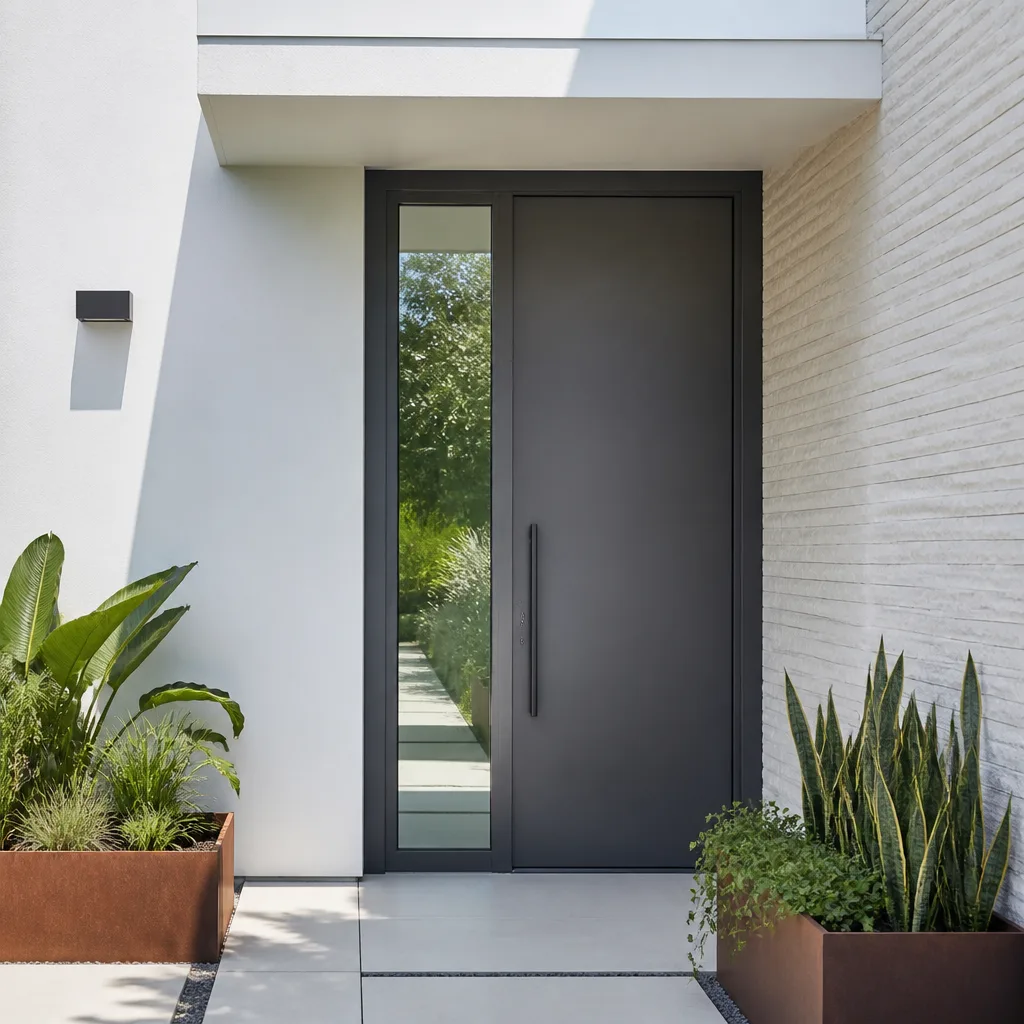
Call a licensed contractor for any exterior window or door replacement in Florida City. The HVHZ requirement for impact-rated products makes this the default, not the exception. Also call a professional when you’re replacing multiple units, when the wall construction involves stucco or EIFS that must be cut and repaired, when the opening has leaked before, or when you need to change the size or location of the opening.
Sightline Windows & Doors Florida City offers free estimates in Florida City. We’ll review your existing openings, measure with the precision that becomes your written scope, and quote a fixed price that doesn’t change. Call (786) 418-6182 to schedule your survey.
Frequently Asked Questions
Professional installation of impact-rated windows in Florida City typically runs $1,250-$1,650 per opening for mid-grade products, including permit, inspection, and standard disposal. Higher-performance units from lines like ES Windows or custom geometric shapes increase the per-opening cost. Call (786) 418-6182 for an exact quote on your specific openings - estimates are free and the written price is the price you pay.
You can pull the permit, but for impact-rated products in Florida City’s HVHZ, the Miami-Dade NOA requires qualified installation to maintain compliance. Self-installation voids the product’s certified status even if the permit is issued and inspections pass. For non-impact interior windows in unconditioned spaces, owner-builder installation is legally possible but still rare.
Probably not, if the installation voided the NOA. Florida insurers increasingly investigate whether impact protections were installed per manufacturer specifications after named storms. Non-compliant installation becomes a policy exclusion. The risk is specific and documented in post-Irma and post-Ian claims disputes.
If any aspect of the installation is not done right, we make it right within 365 days - written into the Haven Standard, not a verbal courtesy. This covers operation, seal, finish, and integration with the wall assembly. The promise is stamped on every job and backed by the documented photo record that proves what was done.
Check the permit history through Miami-Dade’s online portal, verify the product label matches the NOA on file, and request any photo documentation from the original installer. If records are missing or incomplete, Sightline offers a free second opinion on any written estimate or installation documentation you have.
Yes. Interior trim, caulking of trim joints, screen repair, hardware replacement on non-impact units, and track maintenance are all within homeowner scope. The boundary is anything that affects the structural attachment, weather seal, or glass retention system of the impact-rated assembly.
Sightline pulls all required permits as part of the fixed-price scope. The permit record names our licensed contractor, and we coordinate all inspections. You receive copies of all documentation, including the final inspection sign-off, as part of the job closeout package.
The Bottom Line
Florida City’s location in Miami-Dade’s High Velocity Hurricane Zone makes window and door replacement a licensed-contractor activity by law for virtually all exterior openings. The owner-builder permit path exists, but it doesn’t override the product approval conditions that make impact-rated windows actually protective. The cost gap between DIY and professional installation is smaller than it first appears, and the insurance risk of non-compliant self-installation is substantial and growing. Verify every installation through permit records, inspection sign-offs, and photo documentation. The written price before work starts, the documented evidence after completion, and the written promise that stands behind it - that’s the standard Florida City homeowners should expect. For more guides & resources on protecting your home, explore our blog.
Written by Sonia Raman, Owner at Sightline Windows & Doors Florida City, serving Florida City since 2012.